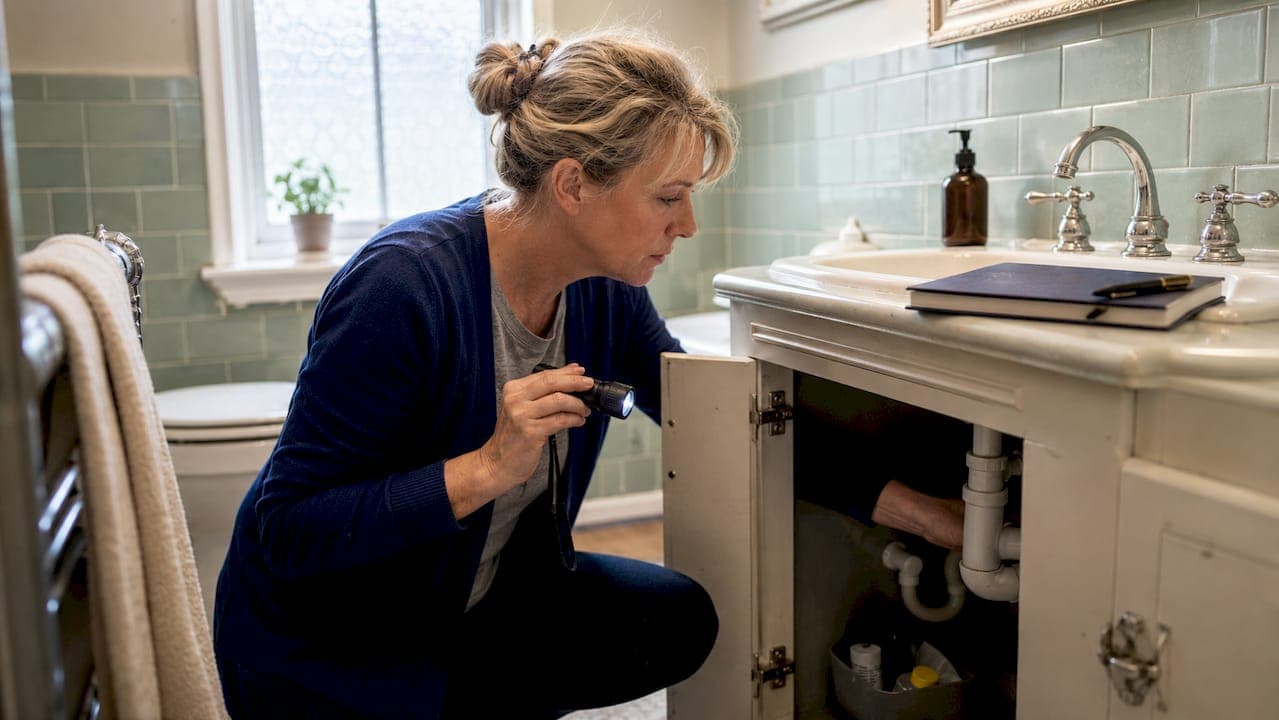
Common rental property plumbing issues are primarily preventable with timely maintenance and a clear understanding of landlord repair responsibilities under UK law. Under Section 11 of the Landlord and Tenant Act 1985, landlords must maintain all structural elements and key installations, including water supply, sanitation, and heating. Plumbing faults rank among the most frequent causes of tenant complaints, and emergency call-outs cost roughly 300% more than scheduled maintenance. Proactive management is not just good practice. It is a legal and financial necessity.
1. Blocked drains
Blocked drains are the single most reported plumbing fault in UK rental properties. Grease build-up, hair, and wet wipes are the leading culprits. 75% of blocked drains are caused by unflushable items, and liability often shifts to the tenant when misuse is proven. Landlords should include clear guidance in tenancy agreements on what must not be flushed or poured down sinks.
Recurring blockages in shared or older properties may point to a deeper structural issue, such as collapsed pipework or root ingress. A drainage maintenance plan for your portfolio reduces both the frequency and cost of these call-outs significantly.
2. Leaking pipes and taps
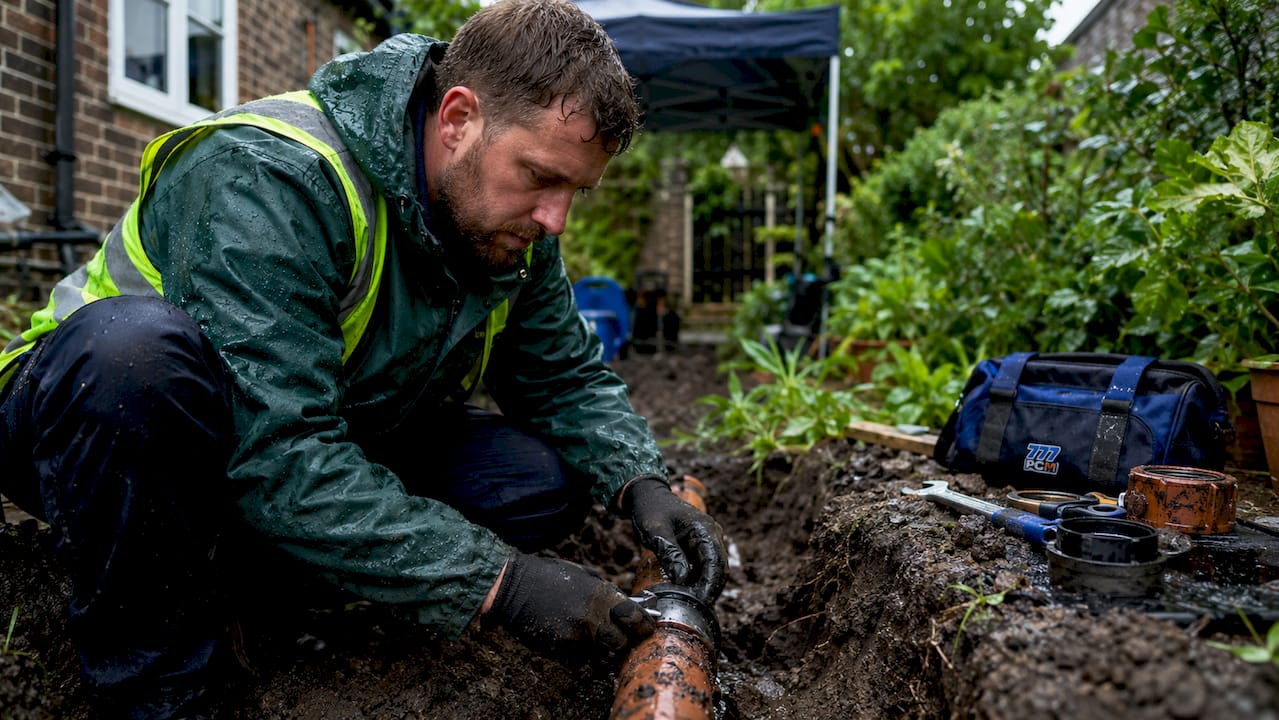
Leaking pipes and taps are deceptively costly. A slow drip wastes hundreds of litres of water per month and, left unaddressed, causes damp, mould, and structural damage. Landlord repair obligations under Section 11 include keeping water supply installations in working order, which means leaks cannot be deferred indefinitely.
Older properties are particularly vulnerable to pinhole leaks in copper pipework. Annual inspections by a qualified plumbing specialist catch these early, before a minor seep becomes a major repair.
3. Running or leaking toilets
A running toilet can waste up to 400 litres of water per day. The cause is usually a faulty flapper valve or a worn fill valve, both of which are inexpensive to replace. Landlords are responsible for sanitation installations under Section 11, so a tenant report of a constantly running cistern requires a prompt response.
Ignoring the fault is not an option. Failure to act on reported repairs can result in formal improvement notices from the local council and potential legal action.
4. Low water pressure
Low water pressure frustrates tenants and often signals a wider problem. Causes include partially closed stopcocks, corroded pipework, or issues with the mains supply. In older properties, lead pipework is a known contributor to both pressure loss and water quality concerns.
Landlords managing pre-1970s stock should arrange a lead pipe survey as part of their plumbing inspection checklist. Replacement of lead pipes is not yet a legal requirement in all cases, but it is strongly recommended for tenant safety and future compliance.
5. Frozen or burst pipes
Frozen pipes are a winter emergency. When water freezes inside a pipe, it expands and can split the pipe entirely, causing significant water damage within minutes of thawing. Properties left unoccupied during cold spells are especially at risk.
Pipe insulation, also called lagging, is the most effective preventive measure. Landlords should insulate pipes in lofts, under floors, and in unheated outbuildings before the temperature drops. Tenants should know where the stopcock is located so they can shut off the water supply immediately if a pipe bursts.
6. Faulty boilers and hot water systems
Boiler failure is classified as an emergency repair. Tenants have a legal right to heating and hot water, and landlords must respond within 24 hours of notification. Common boiler faults include pressure loss, faulty thermostats, and airlocks in the system.
An annual boiler service is the most reliable way to prevent unexpected breakdowns. 777pcm provides annual boiler servicing for landlords across its portfolio, coordinating access with tenants and issuing documentation for compliance records.
Pro Tip: If your boiler is over 10 years old and requires repeated repairs, a replacement is almost always more cost-effective than continued patching. Read the signs your boiler needs replacing before the next winter season.
7. Root ingress and drainage blockages
Tree roots seek out moisture and can penetrate drainage pipes through even the smallest crack. Once inside, roots grow rapidly and cause complete blockages or pipe collapse. This type of fault is structural and always the landlord's responsibility to resolve.
A CCTV drain survey identifies root ingress before it becomes catastrophic. Properties with mature trees nearby, particularly those with clay soil, carry the highest risk. Scheduling a survey every two to three years is a sound precaution for any portfolio.
8. Corroded or lead pipes in older properties
Properties built before 1970 frequently contain lead or galvanised steel pipework. Both materials corrode over time, reducing water flow and potentially contaminating the water supply. Corrosion also increases the risk of pinhole leaks and sudden pipe failure.
Landlords have a duty of care regarding water quality. While full replacement programmes can be phased over time, any property showing signs of brown or discoloured water at the tap requires urgent investigation. Engaging qualified plumbing specialists for an assessment is the right first step.
9. Gutter and external drain problems
Blocked gutters are a leading cause of damp penetration in rental properties. Leaves, moss, and debris accumulate quickly, causing water to overflow and saturate external walls. Six-monthly inspections of gutters and downpipes significantly reduce the risk of serious damp and mould.
Damp caused by blocked gutters is a landlord responsibility because it originates from a structural maintenance failure. Tenants cannot be held liable for water ingress that results from neglected external drainage. Clearing gutters in autumn and spring is a straightforward task that prevents disproportionately expensive remedial work.
10. Tenant-caused damage versus structural faults
Not every plumbing problem is the landlord's responsibility. Tenants are liable for damage caused by misuse, such as pouring cooking fat down the sink, flushing wet wipes, or attempting DIY repairs that worsen the fault. The key legal principle is that the landlord becomes responsible once notified, except where tenant misuse is clearly the cause.
Clear tenancy agreements and a simple reporting process reduce disputes considerably. When a tenant reports a fault promptly and the landlord acts within the required timeframe, both parties are protected. Document every report and every repair visit to create a clear audit trail.
How to prioritise plumbing repairs by urgency
Landlords must address emergency repairs within 24 hours. Routine, non-critical repairs carry a timeframe of 2–4 weeks. Getting this classification right protects you legally and helps you allocate resources efficiently.
The following categories provide a practical framework:
- Emergency (24-hour response): Burst pipes, total loss of heating or hot water, major leaks causing water damage, sewage backing up into the property.
- Urgent (within 48–72 hours): Partial loss of hot water, a single toilet blocked in a multi-bathroom property, significant dripping from a pipe joint.
- Routine (2–4 weeks): Dripping taps, slow-draining sinks with no overflow risk, minor gutter debris.
- Planned maintenance: Annual boiler service, biannual gutter clearance, periodic drain surveys.
Pro Tip: Always confirm receipt of a tenant's repair report in writing, even by text or email. This creates a timestamped record that protects you if the repair timeline is later disputed.
For guidance on fixing heating failure in a rental property, the legal obligations and practical steps are covered in detail.
Proactive maintenance tips that prevent plumbing problems
Switching from reactive to proactive plumbing maintenance reduces tenant complaints and turnover. The following steps form a practical annual maintenance programme for landlords:
- Annual plumbing inspection: A qualified plumber checks all visible pipework, joints, taps, and sanitation fittings for wear or early-stage leaks.
- Annual boiler service: Mandatory for gas appliances under Gas Safe regulations. Combine with the CP12 gas safety certificate renewal to reduce access visits.
- Biannual gutter clearance: Clear in autumn after leaf fall and again in spring. Log each visit with photographs.
- Pipe insulation before winter: Lag all exposed pipes in unheated spaces. This is a one-off investment that prevents repeated burst pipe call-outs.
- Stopcock demonstration at move-in: Showing tenants where the stopcock is located during the move-in walkthrough significantly reduces severe water damage when a pipe fails.
- Lead pipe survey for pre-1970s properties: Identify and plan replacement of any lead pipework as part of a rolling improvement programme.
- Document every visit: Keep a maintenance log with dates, engineer names, and work completed. This is your primary defence in any dispute or council inspection.
Pro Tip: Combine your annual gas safety check with a plumbing inspection on the same visit. It reduces tenant disruption and gives you a more complete picture of the property's condition in one appointment.
Landlord versus tenant: who is responsible for plumbing repairs?
The boundary between landlord and tenant responsibility is defined by cause, not cost. Landlords are responsible for structural faults and the condition of installations. Tenants are responsible for damage they cause through misuse or negligence.
| Responsibility | Landlord | Tenant |
|---|---|---|
| Burst or corroded pipes | Yes, always | No |
| Blocked drain from wet wipes or fat | No, if misuse proven | Yes |
| Faulty boiler or hot water system | Yes | No |
| Damage from unauthorised DIY repair | No | Yes |
| External drain and gutter blockages | Yes | No |
| Toilet blocked by foreign objects | No, if misuse proven | Yes |
The legal position under Section 11 is that the landlord becomes liable once notified of a fault. If a tenant reports a slow drain and the landlord does not act, and the drain later collapses, the landlord bears the cost. Prompt action after notification is the clearest protection available.
Encourage tenants to report issues early by making the process simple. A dedicated email address or a property management portal removes the friction that causes tenants to delay reporting small faults until they become large ones.
Key takeaways
Proactive plumbing maintenance is the most cost-effective way to manage rental property plumbing problems, protect tenant satisfaction, and meet legal obligations under Section 11 of the Landlord and Tenant Act 1985.
| Point | Details |
|---|---|
| Emergency repairs: 24-hour rule | Burst pipes, heating loss, and major leaks require a landlord response within 24 hours. |
| Blocked drains: tenant liability | Misuse with wet wipes or fat shifts liability to the tenant when proven. |
| Proactive maintenance saves money | Emergency call-outs cost roughly 300% more than scheduled inspections. |
| Stopcock education prevents damage | Showing tenants the stopcock location at move-in reduces severe water damage risk. |
| Document every repair | A maintenance log is your primary legal protection in disputes or council inspections. |
What I've learned from years of rental plumbing problems
The landlords who spend the least on plumbing over time are not the ones who find the cheapest contractors. They are the ones who never let small faults sit. A dripping tap costs almost nothing to fix in week one. Left for six months, it can cause damp, mould, and a Section 21 defence from a tenant citing disrepair.
The stopcock point is one I cannot stress enough. I have seen properties where a pipe joint failed overnight and the tenant had no idea how to stop the water. By morning, the ground floor was ruined. A two-minute demonstration at move-in would have prevented thousands of pounds of damage. It costs nothing and it works.
Tenant education on plumbing use is equally underrated. A simple one-page guide in the welcome pack, covering what not to flush, where the stopcock is, and how to report a fault, reduces misuse claims and speeds up reporting. Tenants who know what to do act faster, and faster action means smaller repairs.
My honest recommendation is to treat your plumbing inspection checklist the same way you treat your gas safety certificate. It is not optional. It is the baseline. Landlords who view maintenance as a cost rather than an investment are the ones who end up in front of a council enforcement officer explaining why they ignored three repair reports.
— Mike
777pcm's plumbing services for landlords
Rental property plumbing problems do not wait for a convenient moment. 777pcm provides fast-response plumbing services for landlords and property managers, with in-house engineers covering emergency call-outs and scheduled maintenance across residential portfolios.

777pcm handles the full process, from initial diagnosis and access coordination to repair completion and documentation, with no third-party subcontractors involved. Whether you need a VIP fast-response plumber for an emergency or a planned maintenance programme to reduce call-out frequency, 777pcm gives you one point of contact and a clear audit trail. Landlords managing multiple properties can also access support through the estate agents portal for portfolio-wide coordination.
FAQ
What are the most common plumbing issues in rental properties?
Blocked drains, leaking pipes, running toilets, low water pressure, and boiler faults are the most frequently reported rental property plumbing problems in the UK. Most are preventable with annual inspections and clear tenant guidance on correct plumbing use.
How quickly must a landlord fix a plumbing problem?
Landlords must address emergency repairs such as burst pipes or total heating loss within 24 hours. Non-urgent issues such as a dripping tap carry a reasonable timeframe of 2–4 weeks.
Who pays for a blocked drain in a rental property?
If the blockage results from tenant misuse, such as flushing wet wipes or pouring fat down the sink, the tenant is liable. If the cause is structural, such as root ingress or collapsed pipework, the landlord is responsible.
What is a landlord's legal duty for plumbing under Section 11?
Under Section 11 of the Landlord and Tenant Act 1985, landlords must keep water supply, sanitation, and heating installations in proper working order. Liability begins once the landlord has been notified of a fault.
How can landlords reduce emergency plumbing call-outs?
Annual plumbing inspections, biannual gutter clearance, pipe insulation before winter, and tenant education on stopcock location all reduce the frequency of emergency plumbing for rentals. Proactive maintenance costs a fraction of reactive repairs.