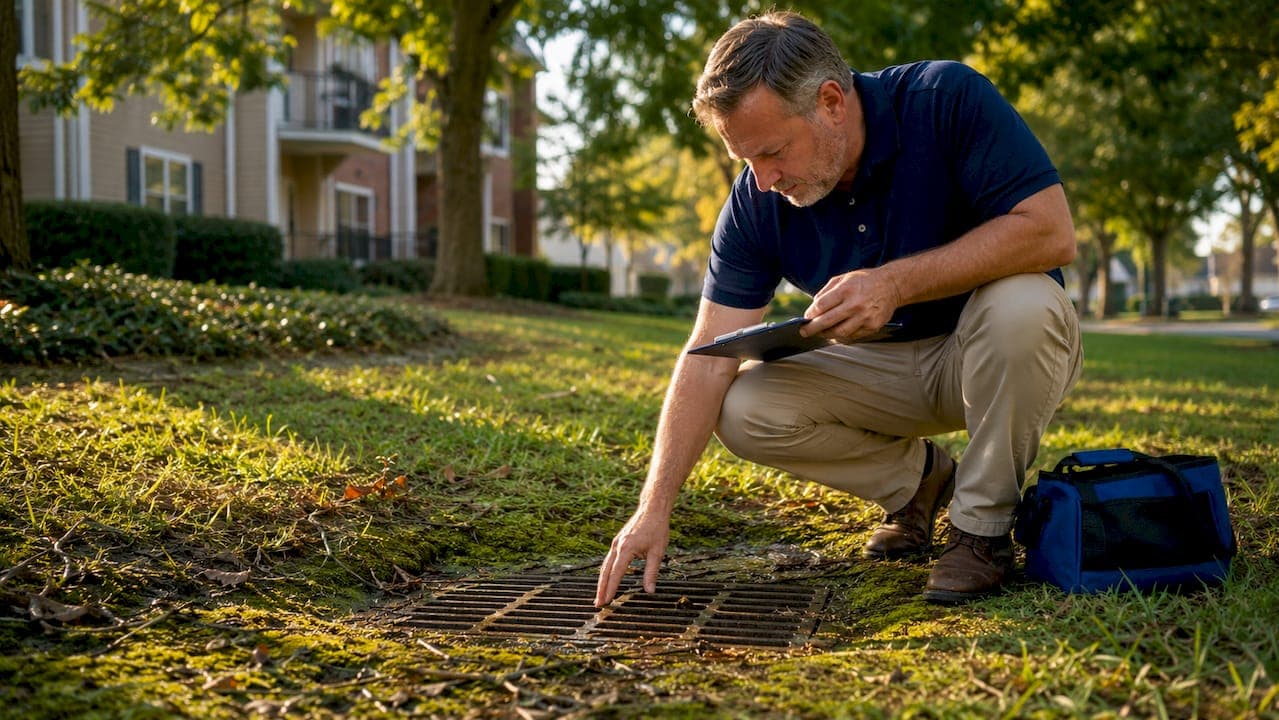
Drainage maintenance is the process of regularly inspecting, cleaning, and repairing a property's water removal systems to prevent failure and protect asset value. For real estate investors managing multiple properties, the difference between scheduled upkeep and reactive repairs is the difference between controlled costs and financial surprises. Neglected drainage causes structural damage, drives up insurance premiums, and pushes tenants towards the exit. Understanding why drainage maintenance matters for your property portfolio is the first step towards treating it as the asset-protection strategy it genuinely is, rather than an afterthought triggered by a blocked drain.
Why drainage maintenance matters for your property portfolio's finances
Reactive maintenance costs property owners 2 to 5 times more than scheduled drainage upkeep. That premium reflects emergency call-out rates, accelerated structural damage, and the knock-on costs of tenant disruption. A single flooded basement in a residential block can trigger insurance claims, temporary rehousing costs, and loss of rental income simultaneously.
The hidden costs run deeper than the obvious repair bill. Neglected drainage leads to foundation degradation, rising insurance premiums, and the real risk of regulatory fines or property closures where unsanitary conditions develop. For a portfolio of ten or more properties, those risks compound quickly.
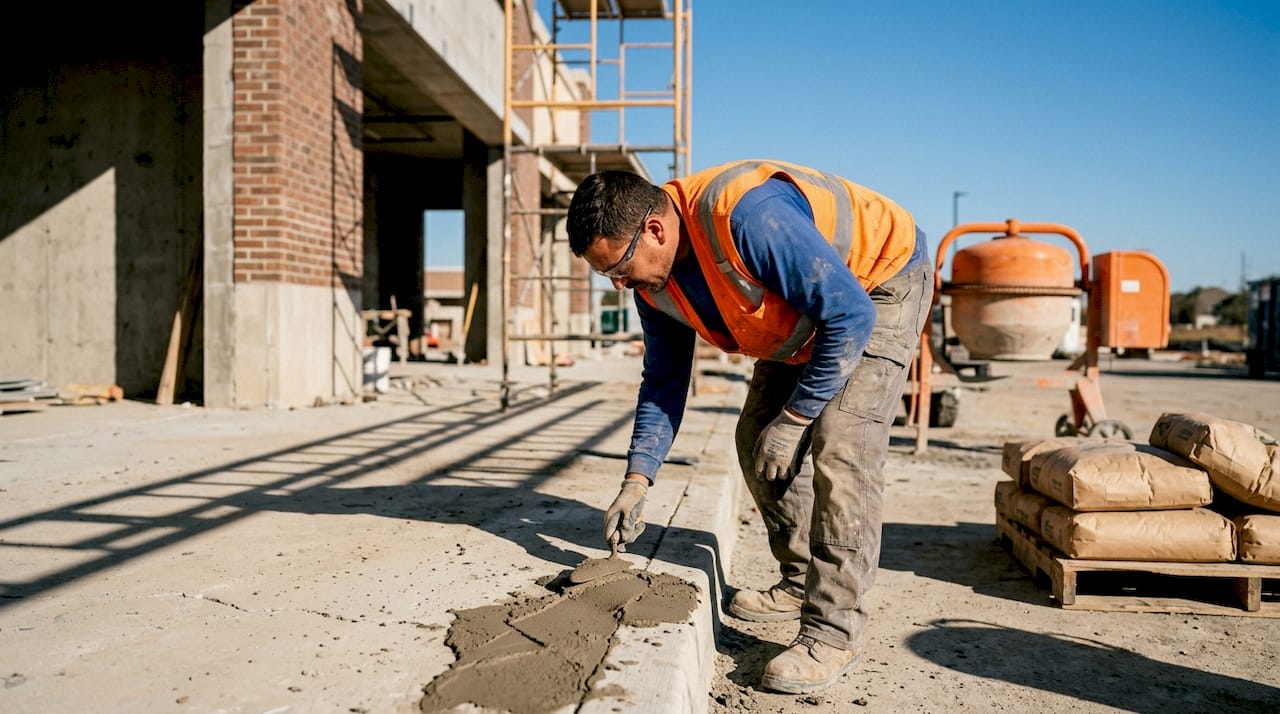
Tenant impact is the third financial lever that investors often underestimate. Poorly maintained drainage drives up complaint rates and accelerates lease terminations. Every early exit costs a landlord void periods, re-letting fees, and the reputational damage that follows negative reviews.
The table below summarises the key cost and risk categories across reactive versus scheduled maintenance approaches.
| Category | Reactive approach | Scheduled approach |
|---|---|---|
| Repair cost | 200%–500% above baseline | Baseline cost |
| Structural risk | Foundation damage likely | Defects caught early |
| Insurance | Premiums rise after claims | Stable, fewer claims |
| Tenant impact | Disruption, complaints, exits | Minimal disruption |
| Regulatory risk | Fines, potential closure | Compliance maintained |
The pattern is consistent across portfolio types. Whether you manage residential blocks, commercial units, or mixed-use sites, the financial logic of proactive drainage upkeep holds.
How do professional drainage services protect multi-property portfolios?
Planned Preventative Maintenance, known in the industry as PPM, is the standard framework for managing drainage across multiple sites. A PPM contract replaces ad hoc call-outs with a fixed schedule of inspections, jetting, and reporting. Transitioning from emergency-only to PPM contracts delivers predictable costs and consistent service quality across every site in a portfolio.
The single-contractor model is the most effective structure for portfolio managers. A single-contractor approach enables consistent pricing, rapid emergency response, and a comprehensive asset history for every property. Fragmented use of multiple local contractors makes it nearly impossible to build that history or guarantee response times. 777pcm operates on exactly this model, with in-house engineers covering drainage alongside plumbing, heating, and compliance work across managed portfolios.
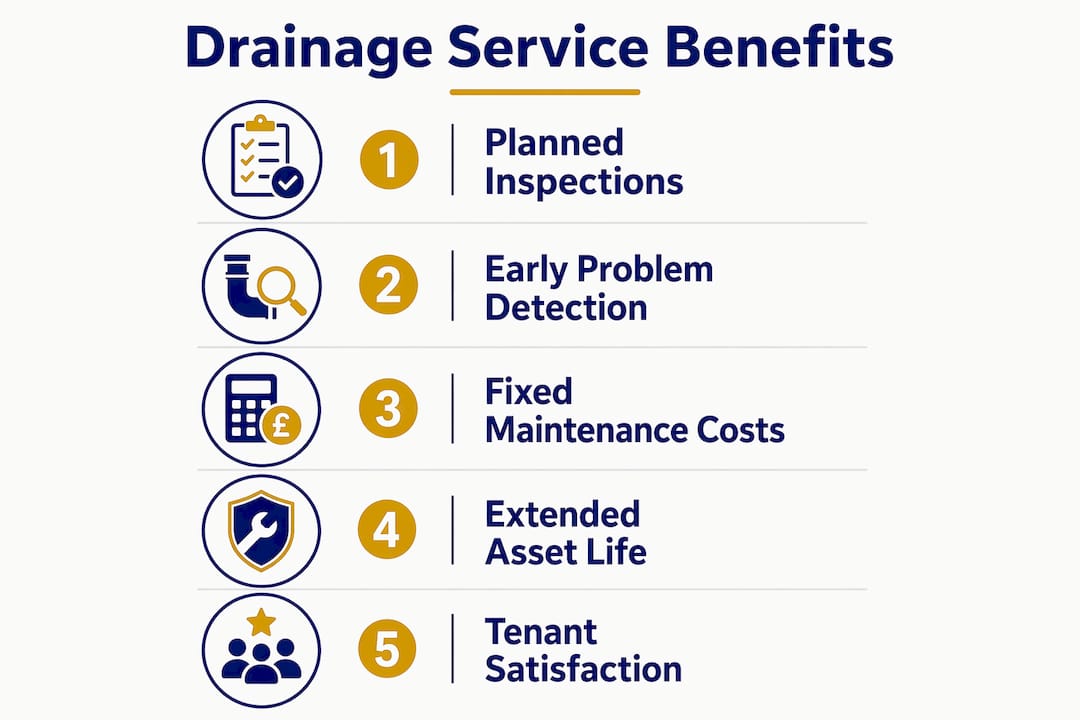
CCTV drainage surveys are the diagnostic tool that makes early intervention possible. Professional drainage services use CCTV surveys for early defect detection, identifying root ingress, pipe fractures, and blockage build-up before they require excavation. A survey that costs a few hundred pounds can prevent a repair that costs tens of thousands.
The operational benefits extend to budgeting. PPM contracts convert drainage from an unpredictable expense into a fixed line item. That predictability matters enormously when you are forecasting maintenance budgets across a portfolio of diverse properties, from multi-site gym facilities to residential blocks.
Pro Tip: Prioritise maintenance frequency by property risk and use profile. A restaurant unit with a grease trap needs monthly servicing. A low-traffic office building may only need an annual inspection. Applying the same schedule to every property wastes budget on low-risk sites and under-protects high-risk ones.
What are the common drainage system types in managed properties?
Different drainage systems carry different failure risks and require different maintenance intervals. A blanket schedule applied across a portfolio ignores those differences and creates gaps in protection. Risk-based scheduling optimises budgets and reduces critical failure points by matching intervention frequency to actual system risk.
The four system types most common in managed properties are stormwater catch basins, grease traps, underground pipe networks, and retention ponds. Each has a distinct maintenance profile.
Industry standards in 2026 require quarterly inspections for stormwater catch basins and monthly servicing for grease traps in food service environments. Underground pipe networks in residential properties typically require annual CCTV surveys, with more frequent jetting where blockage history exists. Retention ponds need seasonal inspection to prevent overflow and sediment build-up.
| System type | Recommended interval | Primary risk if neglected |
|---|---|---|
| Stormwater catch basins | Quarterly | Surface flooding, structural erosion |
| Grease traps (food service) | Monthly to every 3 months | Blockages, odour, regulatory breach |
| Underground pipe networks | Annual CCTV, jetting as needed | Root ingress, pipe collapse |
| Retention ponds | Seasonal | Overflow, sediment accumulation |
Experienced portfolio managers apply this risk-based logic consistently. A school property, for example, faces different drainage pressures than a retail unit or a residential block. 777pcm's approach to school property maintenance reflects exactly this kind of tailored scheduling.
The practical implication for investors is straightforward. Audit your portfolio by property type and drainage system, then assign maintenance intervals accordingly. That single step eliminates the most common cause of avoidable drainage failures.
How to coordinate drainage repairs across multiple properties
Centralised digital maintenance logs are the foundation of effective multi-property drainage management. Digital logs and post-visit reports increase transparency, reduce audit failure risk, and shift drainage from an unpredictable cost to a controlled expense. Without them, you are managing by memory and hoping nothing falls through the gaps.
The most effective documentation combines written service records with photographic evidence and CCTV footage. That combination creates a defensible audit trail for insurance claims and regulatory inspections. When a tenant raises a complaint about drainage, a timestamped record of the last three service visits is the fastest way to resolve it.
Coordinating repairs across multiple sites requires a clear workflow. The following steps form a practical framework:
- Assign a single point of contact for all drainage queries across the portfolio.
- Use maintenance management software to log every visit, finding, and repair action.
- Require post-visit reports with photos from every contractor or engineer.
- Set automated reminders for scheduled inspections based on each property's risk profile.
- Review the full portfolio's drainage data quarterly to identify recurring issues.
Fragmented use of multiple local contractors undermines every one of those steps. Different contractors use different reporting formats, respond at different speeds, and have no visibility of each other's work. A single-contractor SLA model solves that problem by design.
Pro Tip: Use your maintenance data to support insurance renewals and compliance audits. Insurers look favourably on documented, proactive maintenance programmes. A clean maintenance history can reduce premiums and strengthen your position in any dispute.
Proactive stormwater maintenance programmes also reduce reactive costs and extend infrastructure life. Facilities that implement preventive programmes report measurable cost reductions within 90 days. That timeline is short enough to justify the transition even mid-year.
Key takeaways
Proactive drainage maintenance is the most cost-effective way to protect property portfolio value, retain tenants, and maintain regulatory compliance across multiple sites.
| Point | Details |
|---|---|
| Reactive costs far more | Reactive repairs cost 200%–500% more than scheduled maintenance across a portfolio. |
| PPM contracts reduce risk | Planned Preventative Maintenance converts drainage from unpredictable expense to fixed budget line. |
| Risk-based scheduling works | Match inspection frequency to system type and property use to avoid over-spending and under-protecting. |
| Documentation protects you | Digital logs with CCTV evidence support insurance claims, audits, and tenant dispute resolution. |
| Single-contractor model wins | One contractor across all sites delivers consistent pricing, faster response, and full asset history. |
The case for stopping reactive drainage management now
I have seen the same pattern repeat itself across portfolios of every size. A landlord manages ten properties, nine of them fine, and one with a recurring drainage issue that gets patched rather than fixed. Then the patch fails at the worst possible moment, a tenant moves out, and the repair bill arrives alongside an insurance excess and a void period. The total cost is always three to four times what a proper inspection and repair would have cost six months earlier.
The most overlooked aspect of drainage maintenance is documentation. Investors spend money on repairs but rarely insist on written records. That gap costs them twice: once when the same fault recurs because no one tracked the root cause, and again when an insurer or regulator asks for evidence of upkeep.
My strongest recommendation is to treat drainage the same way you treat gas safety or electrical compliance. It is not optional, and it is not something to address only when a tenant complains. Client satisfaction in large portfolios depends on smooth, disruption-free operations. Drainage failures are one of the fastest ways to destroy that satisfaction and lose good tenants.
The transition from reactive to proactive management does not require a complete overhaul overnight. Start with a CCTV survey of your highest-risk properties. Use the findings to build a maintenance schedule. Then find a single contractor who can cover the whole portfolio and hold them to a service level agreement. That sequence works. I have watched it transform chaotic, expensive portfolios into well-run, profitable ones.
— Mike
How 777pcm supports drainage maintenance across your portfolio
777pcm provides property owners and portfolio managers with a single point of contact for drainage maintenance, compliance, and emergency response across multiple sites. Rather than juggling separate contractors for each property, you get in-house engineers, consistent reporting, and a clear audit trail from every visit. 777pcm's commercial VIP fast response service covers scheduled drainage maintenance alongside plumbing, heating, and compliance work, so your portfolio stays protected without the coordination overhead. If you manage residential or commercial properties and want to move from reactive call-outs to a planned maintenance programme, 777pcm is built for exactly that. Estate agents and property managers already using the service report fewer tenant complaints and stronger compliance records.
FAQ
What does drainage maintenance include for managed properties?
Drainage maintenance covers regular inspection, jetting, CCTV surveys, grease trap servicing, and repair of underground pipe networks. The exact scope depends on the property type and drainage system installed.
How often should drainage be inspected across a property portfolio?
Inspection frequency depends on system type and risk. Stormwater catch basins require quarterly checks, grease traps in food service need monthly to three-monthly servicing, and residential pipe networks typically need an annual CCTV survey.
Why do drainage surveys matter for managed properties?
CCTV drainage surveys identify defects such as root ingress, pipe fractures, and blockage build-up before they escalate into costly excavations or tenant disruption. Early detection consistently reduces repair costs.
What is a PPM contract and why does it matter for portfolio managers?
A Planned Preventative Maintenance contract replaces reactive call-outs with a fixed schedule of inspections and servicing. It converts drainage from an unpredictable expense into a controlled budget line and improves service consistency across all sites.
How does poor drainage affect property value and tenant retention?
Neglected drainage leads to structural damage, higher insurance premiums, and regulatory risk, all of which reduce asset value. Tenant satisfaction is closely tied to functional drainage, and persistent issues accelerate lease terminations and void periods.