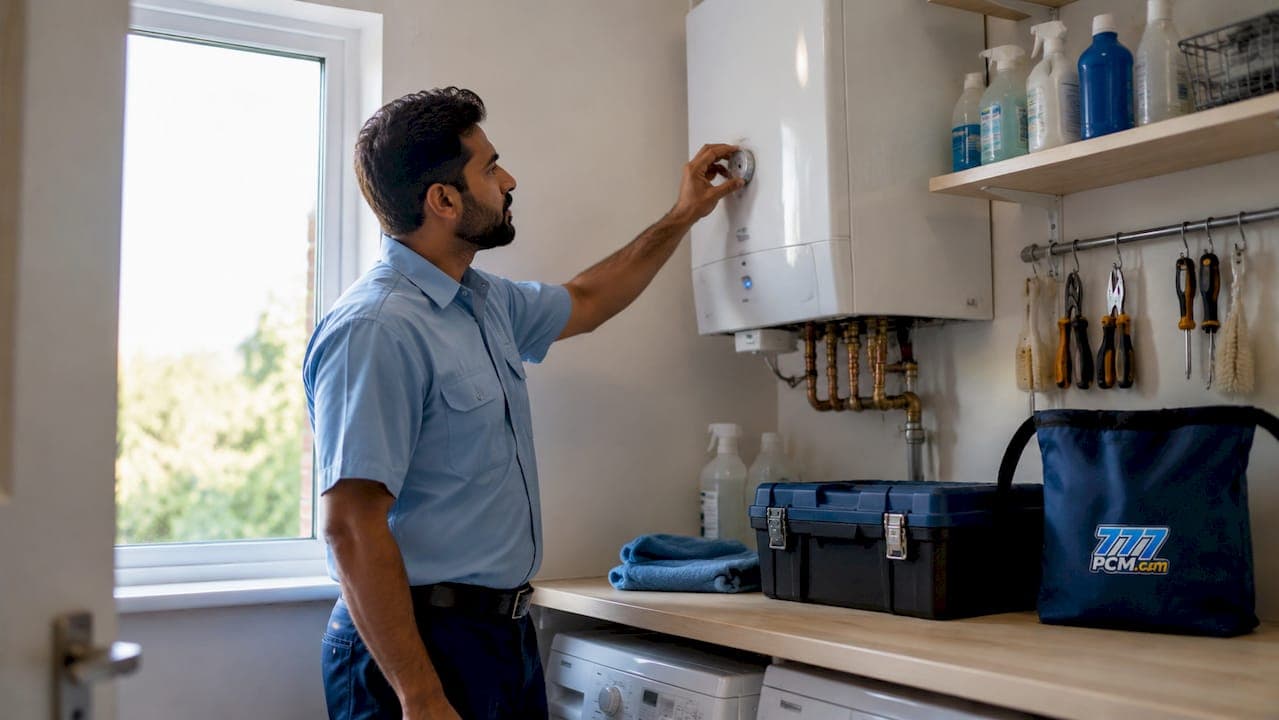
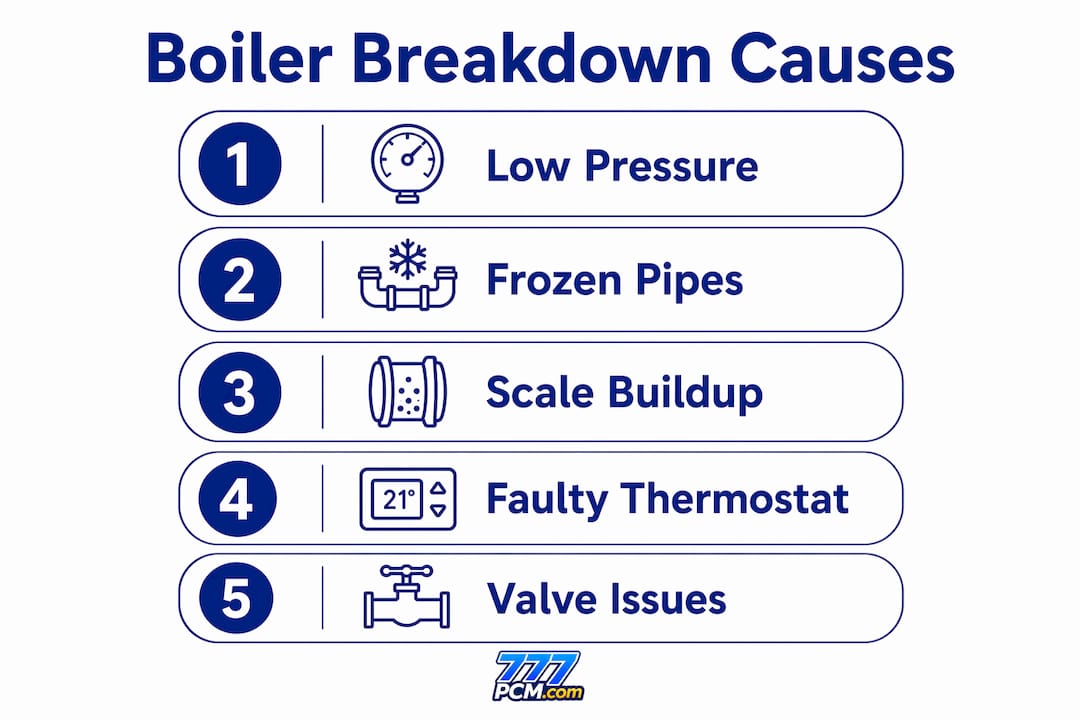
Boiler breakdowns in rental properties are most commonly caused by low system pressure, frozen condensate pipes, and missed annual servicing. These three failure reasons account for the vast majority of emergency call-outs landlords face each winter. Understanding what causes boiler breakdowns in a rental property means you can act before a fault becomes a crisis. The financial and legal stakes are real: a boiler failure leaves tenants without heat or hot water, triggering repair obligations under the Landlord and Tenant Act 1985. The good news is that most of these faults are preventable with the right rental property boiler care.
What causes boiler breakdowns in rental properties?
Low system pressure is the leading cause of boiler lockouts in rental properties. Boilers are designed to operate between 1.0 and 1.5 bar; when pressure drops below that threshold, a safety mechanism cuts the boiler off entirely. That safety lockout protects the system from running dry, but it also leaves tenants without heating until the fault is diagnosed and resolved.
Pressure drops usually trace back to one of two sources: a small leak somewhere in the pipework or radiator valves, or a failing expansion vessel. Expansion vessels absorb pressure fluctuations as water heats and cools. When the vessel's internal membrane fails, pressure swings become unmanageable and the boiler shuts down repeatedly.
Frequent pressure topping-up without fixing the underlying leak accelerates internal corrosion. Each time you refill the system, you dilute the corrosion inhibitor that protects pipework and heat exchangers. Recurring pressure drops are a clear signal that a Gas Safe registered engineer needs to investigate, not just top up the gauge.
Signs of low pressure to watch for
Tenants are often the first to notice these symptoms, so brief them accordingly:
- The boiler display shows a pressure reading below 1 bar or an error code
- Radiators feel cold at the bottom but warm at the top
- The boiler fires up then cuts out within minutes
- Visible damp patches near pipe joints or radiator valves
Pro Tip: Never repeatedly top up boiler pressure without investigating the cause. Each refill dilutes corrosion inhibitors and masks a leak that will only worsen over time.
Why do frozen condensate pipes cause boiler shutdowns?
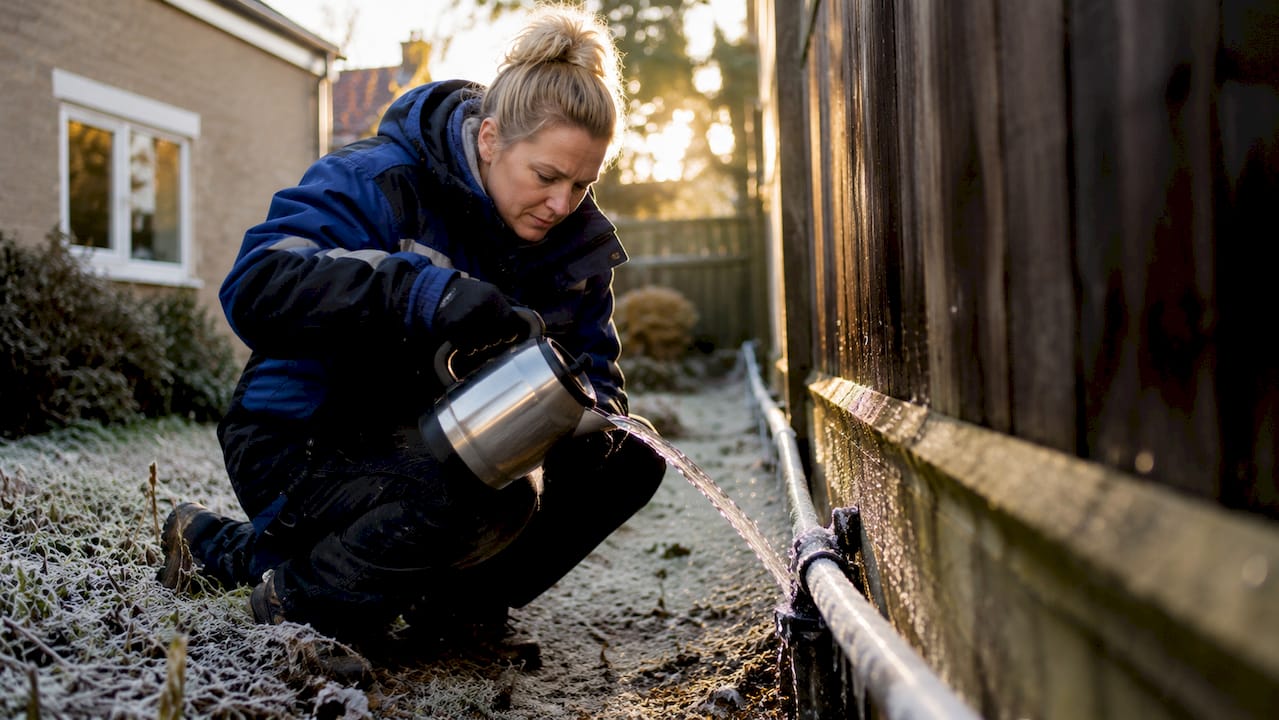
Condensate pipes carry acidic wastewater from the boiler to an external drain. Because they often run outside or through unheated spaces, they are vulnerable to freezing during cold snaps. When the pipe freezes, the blockage triggers a boiler safety shutdown to prevent wastewater backing up into the unit.
The fix is straightforward once you know what you are dealing with. Pouring warm water (not boiling, which can crack plastic pipework) over the frozen section thaws the blockage and allows the boiler to restart. The problem is that most tenants do not know this, and a call-out charge for a frozen pipe is entirely avoidable with a short briefing.
Prevention is the better approach for landlords managing multiple properties. Insulating exposed condensate pipes with foam lagging before the cold season costs very little. Rerouting pipes internally where possible removes the freezing risk altogether. Both measures are worth scheduling as part of your autumn maintenance round.
Seasonal steps to protect condensate pipes
- Fit foam pipe lagging to any externally routed condensate pipe before october
- Check that the pipe terminates at a drain rather than pooling against a wall
- Leave tenants a simple written guide explaining the warm water thaw method
- Consider rerouting exposed pipes internally during any planned boiler work
Why is annual professional servicing crucial for preventing boiler breakdowns?
Routine annual servicing detects worn seals, minor leaks, and limescale buildup before any of them cause a full system failure. A Gas Safe engineer will clean the heat exchanger, check the flue, test safety devices, and verify combustion efficiency in a single visit. Skipping that visit is the single most common reason landlords face expensive emergency call-outs in january and february.
The legal dimension matters too. Landlords in England and Wales must arrange an annual CP12 gas safety check for every gas appliance in a rental property. While a gas safety check and a boiler service are not identical, many landlords combine both in one visit to reduce access disruption for tenants. Failing to hold a valid CP12 certificate carries a fine and, in serious cases, criminal liability.
The cost argument for servicing is equally clear. An annual service typically costs a fraction of an emergency call-out, and a fraction again of a component replacement. Catching a worn seal during a service costs almost nothing to fix. Letting that seal fail mid-winter can mean a flooded airing cupboard and a boiler replacement.
What a professional service covers
- Inspection and cleaning of the heat exchanger and burner
- Checking and adjusting system pressure and expansion vessel charge
- Testing the flue for carbon monoxide and combustion efficiency
- Examining seals, gaskets, and internal components for wear
- Verifying that all safety devices, including the pressure relief valve, operate correctly
Pro Tip: Schedule boiler services in late summer or early autumn. Engineers are less busy, access is easier to arrange, and any faults are fixed before peak heating demand hits.
What other common boiler issues affect rental properties?
Scale buildup, faulty thermostats, pressure relief valve drips, and pilot light failures are the next tier of common boiler issues in rental homes. Each has a distinct cause and a different response, so knowing how to tell them apart saves both time and money.
Kettling and scale buildup
Kettling is the rumbling or banging noise a boiler makes when limescale builds up on the heat exchanger. A quarter-inch of limescale reduces heat transfer efficiency by 40%, forcing the boiler to work harder and overheat locally. Left untreated, kettling accelerates component wear and eventually causes the heat exchanger to crack. The distinction between a simple radiator airlock and kettling matters: airlocks produce cold spots in radiators and respond to bleeding, while kettling signals damaging scale that requires a power flush or chemical descale treatment.
Thermostat and control faults
Faulty thermostats cause boilers to run erratically, cycling on and off at the wrong times or failing to fire at all. Smart thermostat disconnections are a surprisingly frequent source of boiler malfunction reports in rental properties. Before calling an engineer, a manual reboot or a battery replacement in the thermostat resolves the issue in many cases. Brief tenants to check the thermostat display before reporting a boiler fault.
Pressure relief valve drips and pilot light issues
| Fault | Symptom | Likely cause | Recommended action |
|---|---|---|---|
| Pressure relief valve drip | Water dripping from overflow pipe | Internal wear or overpressure | Gas Safe engineer inspection |
| Pilot light out | Boiler fails to fire, no ignition | Draught, thermocouple fault | Follow manufacturer reset; call engineer if recurring |
| Kettling noise | Rumbling or banging during heating | Limescale on heat exchanger | Power flush or chemical descale |
| Sludge buildup | Cold radiator bottoms, slow warm-up | Corroded system debris | Magnetic filter check, power flush |
Up to 90% of faults attributed to boilers actually originate in peripheral system components such as radiator valves, smart controls, or pipework. That figure reframes how landlords should approach fault reports. Before authorising a boiler repair, check whether the issue lies outside the boiler unit entirely.
Sediment buildup also affects low-water cutoff sensors, which monitor water levels inside the boiler. When sediment coats the sensor, it cannot read water levels accurately, and the boiler may fire dangerously or lock out unnecessarily. Annual servicing catches this before it becomes a safety hazard.
Key takeaways
Boiler breakdowns in rental properties are largely preventable through annual servicing, pressure monitoring, and seasonal pipe protection before cold weather arrives.
| Point | Details |
|---|---|
| Pressure is the top trigger | Maintain system pressure between 1.0 and 1.5 bar; recurring drops signal a leak or expansion vessel fault. |
| Frozen condensate pipes are seasonal | Insulate external condensate pipes before winter and brief tenants on the warm water thaw method. |
| Annual servicing prevents most failures | A Gas Safe service catches worn seals, limescale, and pressure faults before they cause breakdowns. |
| Many faults are not the boiler itself | Up to 90% of reported boiler faults originate in peripheral components like valves and smart controls. |
| Scale causes serious long-term damage | A quarter-inch of limescale cuts heat transfer efficiency by 40%, accelerating component failure. |
The landlord mistake I see most often
The most common error I see landlords make is treating the boiler as the problem when the real fault lies elsewhere. A tenant reports no heating, the landlord calls an engineer, and the engineer finds a tripped smart thermostat or a closed lockshield valve. The boiler was never the issue. That call-out cost was entirely avoidable.
The second most common mistake is reactive maintenance. Landlords wait for a breakdown, pay emergency rates, and then wonder why their maintenance budget is always overspent. Boilers do not fail without warning. Kettling noises, pressure drops, and pilot light resets are all early signals. The landlords who act on those signals spend far less over a five-year period than those who wait for a full failure.
Tenant communication is underrated here. A short written guide explaining how to check boiler pressure, reset a tripped thermostat, and thaw a frozen condensate pipe can eliminate a significant number of call-outs each year. Tenants are not engineers, but they can follow a clear checklist. Giving them that checklist is one of the most cost-effective things you can do as a landlord.
The boiler servicing schedule you set up today determines the repair bills you face next winter. That is not a theory. It is the pattern I see repeated across rental portfolios of every size.
— Mike
Boiler maintenance and emergency repairs for landlords
Keeping rental properties warm and compliant does not have to mean chasing multiple contractors or waiting days for an engineer. 777pcm provides Gas Safe registered engineers who handle everything from annual boiler servicing and CP12 gas safety certificates to emergency heating repairs, all managed through a single account with no third-party subcontractors involved.

Whether you manage one property or a large portfolio, 777pcm coordinates access, scheduling, and certification so you stay compliant without the administrative burden. For urgent heating failures, the VIP fast response service gets a qualified engineer to your property quickly, minimising tenant disruption and your legal exposure. Book a service or report an emergency through 777pcm and keep your properties warm, safe, and legally compliant all year round.
FAQ
What is the most common cause of boiler breakdown in a rental property?
Low system pressure is the most common cause. Pressure falling below 1.0 bar triggers a safety lockout, usually due to a small leak or a failing expansion vessel.
How often should a landlord service a boiler?
Landlords should arrange a professional boiler service every year, ideally in late summer or early autumn before the heating season begins.
Can a frozen condensate pipe be fixed without an engineer?
Yes. Pouring warm water over the frozen section of the external pipe thaws the blockage and allows the boiler to restart. Call an engineer if the pipe freezes repeatedly.
What does kettling mean and is it serious?
Kettling is a rumbling noise caused by limescale buildup on the heat exchanger. It is serious because a quarter-inch of scale reduces heat transfer efficiency by 40% and accelerates component failure.
Are landlords legally required to service their boiler?
Landlords must arrange an annual CP12 gas safety check for all gas appliances in rental properties. Combining this with a full boiler service is best practice and reduces the risk of breakdowns and legal liability.