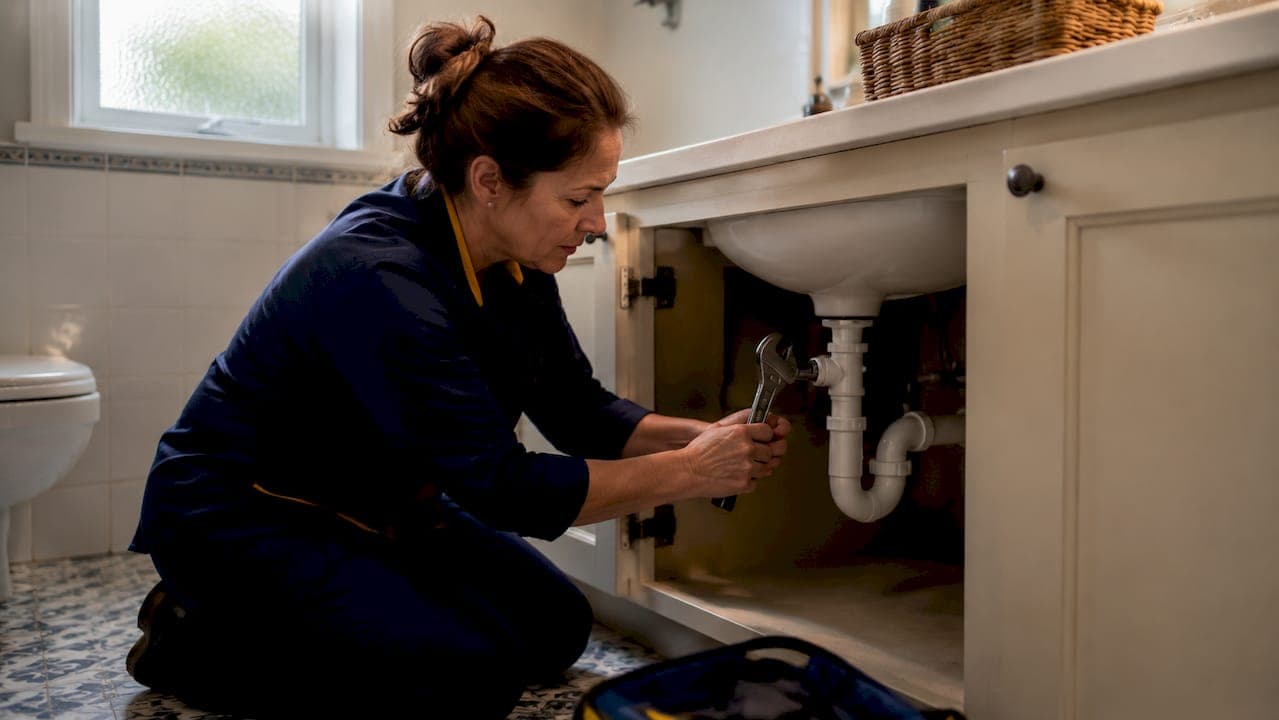
A residential plumbing specialist is a trained professional responsible for installing, maintaining, and repairing a home's water supply, drainage, and waste systems to protect both occupant health and property value. The role of plumbing specialist in residential property extends well beyond fixing a dripping tap. These professionals design entire system layouts, ensure compliance with building regulations, and act as the first line of defence against water damage that can quietly erode a home's structural integrity. For homeowners and property investors alike, understanding what a qualified plumbing expert for homes actually does, and why credentials matter, is one of the most practical steps you can take to protect your investment.
What qualifications define a credible residential plumbing specialist?
Credentials separate a competent plumbing specialist from someone who simply owns a wrench. The industry standard requires a minimum of five years of verifiable experience before a specialist can be trusted with complex residential installations that must comply with building codes. That threshold exists because residential systems involve interdependent components. A mistake in one area, such as incorrect pipe sizing, can create pressure failures throughout the entire property.

Licensing is equally non-negotiable. The distinction between a plumbing technician and a plumbing contractor matters enormously in practice. Technicians handle daily repairs, while contractors carry the permits and inspection authority needed for major renovations or new installations. If you are commissioning a bathroom refit or a full system upgrade, you need a licensed contractor, not just a competent technician.
Licensing checks every homeowner should make
Before hiring, verify the following:
- Licence type: Confirm whether the specialist holds a technician or contractor licence relevant to the scope of your work.
- Insurance: Public liability insurance protects you if something goes wrong on your property.
- Gas Safe registration: Any work touching gas supply lines requires a Gas Safe registered engineer in the UK.
- Code familiarity: Ask directly which local building regulations apply to your project and how the specialist will document compliance.
- References: Request verifiable references from residential clients, not commercial ones, since the two disciplines differ significantly.
Pro Tip: Always request a written copy of the specialist's licence number and verify it independently through the relevant licensing authority before any work begins. A credible professional will provide this without hesitation.
Adherence to local building codes is not a bureaucratic formality. Licensed and insured plumbers follow safety codes that prevent gas leaks, backflow contamination, and water damage, all of which carry serious health and financial consequences. A specialist who skips the permit process may save you money upfront but expose you to failed inspections and legal liability down the line.
Which services do plumbing specialists provide in residential properties?
The scope of residential plumbing services is broader than most homeowners realise. A qualified specialist covers everything from the initial pipe layout in a new build to emergency burst pipe repairs at midnight. Understanding this range helps you identify the right professional for each situation rather than defaulting to whoever answers the phone first.
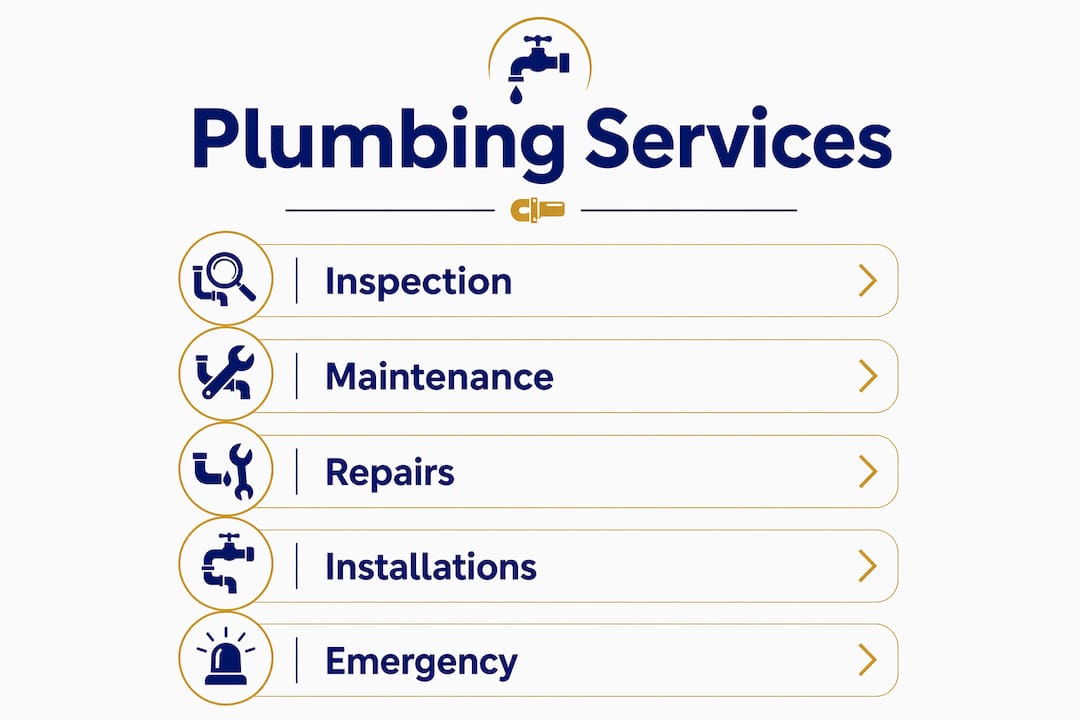
Here are the core service categories a residential plumbing specialist typically covers:
- Pipe installation and material selection: Specialists work with copper, CPVC, PEX, and cast iron depending on the application. PEX has become the preferred choice for new residential builds due to its flexibility and freeze resistance, but older properties often require copper or cast iron repairs that demand different skills.
- Fixture installation: Baths, showers, toilets, sinks, and dishwasher connections all require precise fitting to avoid leaks at joints and seals.
- Leak detection and repair: Modern specialists use acoustic listening devices and thermal imaging cameras to locate leaks behind walls without unnecessary demolition.
- Drain clearing and maintenance: Blocked drains are among the most frequent calls. Specialists use high-pressure water jetting and mechanical augers to clear blockages rather than relying solely on chemical treatments that can degrade older pipes.
- Water heater installation and servicing: Both traditional tank systems and combi boilers fall within the residential plumbing specialist's remit, particularly where water pressure and flow rate are involved.
- Home remodelling support: Kitchen extensions, loft conversions, and bathroom refits all require a specialist to reroute existing pipework and install new supply and waste lines to code.
- Emergency response: Professional plumbers offer same-day emergency service, often available around the clock, which is critical when a burst pipe can cause thousands of pounds of water damage within hours.
Pro Tip: For residential plumbing maintenance, schedule an annual inspection even when nothing appears wrong. Specialists frequently identify slow leaks, corroding joints, and pressure irregularities that homeowners miss entirely until the damage becomes expensive.
How do residential plumbing specialists differ from commercial plumbers?
Residential and commercial plumbing are distinct disciplines. Treating them as interchangeable is a common and costly mistake, particularly for property investors who manage both types of asset.
| Factor | Residential Plumbing | Commercial Plumbing |
|---|---|---|
| Scale | Single property, smaller pipe diameters | Multi-floor buildings, industrial-grade systems |
| Regulatory environment | Local building codes, domestic standards | Commercial building regulations, health and safety legislation |
| Permitting | Standard residential permits | Complex multi-trade permits, often requiring contractor licence |
| Customer interaction | Direct with homeowner, high communication | Facilities managers, procurement teams |
| System complexity | Straightforward supply and waste layouts | Multiple water supply zones, grease traps, industrial drainage |
| Response expectations | Personal, same-day service | Scheduled maintenance contracts, SLA-driven |
Residential specialists develop a particular skill set around working in occupied homes. They communicate directly with homeowners, manage disruption carefully, and often work in confined spaces such as under-floor voids and airing cupboards. Commercial plumbers, by contrast, typically operate within larger teams on unoccupied sites with more predictable access.
For property investors managing residential portfolios, this distinction matters when selecting a service provider. A specialist with a purely commercial background may lack the diagnostic sensitivity required for older residential systems or the interpersonal approach that tenants expect during repair visits.
What common plumbing challenges do specialists address in homes?
Residential properties present a consistent set of plumbing problems, and the importance of plumbing specialists lies partly in their ability to distinguish surface symptoms from underlying causes. A slow drain, for example, is rarely just a slow drain.
Common issues that residential plumbing specialists encounter include:
- Slow or blocked drains: Often indicate partial blockages caused by grease, hair, or root ingress into external drainage. Recurring issues frequently signal deeper infrastructure failures that require specialist tools rather than a plunger.
- Burst or leaking pipes: Particularly common in older properties with lead or galvanised steel pipework. Freeze damage in winter is a leading cause in UK properties with inadequate insulation.
- Low water pressure: Can result from corroded pipes, faulty pressure regulators, or supply-side issues from the mains. Diagnosis requires pressure testing equipment, not guesswork.
- Backflow contamination: Occurs when water flows in reverse through the system, potentially drawing contaminants into the drinking supply. Licensed specialists install and test backflow prevention devices as part of plumbing safety compliance.
- Water heater failures: Sediment build-up, faulty thermostats, and pressure relief valve failures are the most common causes. Each requires a different repair approach.
Specialists use video sewer cameras to inspect drainage lines internally, identifying root intrusion, collapsed sections, and misaligned joints without excavation. This diagnostic precision avoids the repeat repairs that plague properties where problems are addressed superficially. Diagnostic tools like video cameras allow accurate root cause identification, which is the difference between a permanent fix and a temporary patch.
Why is hiring a qualified plumbing specialist crucial for property owners?
The benefits of hiring a plumbing expert extend well beyond the immediate repair. For homeowners, the primary value is safety. For property investors, it is compliance and asset protection.
"Residential plumbing is safety-critical work. Licensed plumbers must comply with strict codes to ensure safe drinking water and sewage disposal." — Bristow Plumbing
Non-compliant plumbing work can cause failed inspections and legal liability for property investors. This is not a theoretical risk. Investors who sell or remortgage properties with uncertified plumbing work face delays, renegotiated prices, and in some cases, enforcement action. Insisting on invoices that confirm code-compliant repairs is a basic due diligence step that many overlook.
Qualified specialists also protect property value directly. Residential plumbing specialists design and maintain entire home systems, protecting home equity and ensuring long-term efficiency. A well-maintained plumbing system is a selling point. A property with a history of amateur repairs and unresolved leaks is a liability.
From a cost perspective, professional diagnosis prevents the cycle of repeat repairs. Property owners should choose plumbers who provide clear, written estimates and warranties, focusing on root cause diagnosis rather than temporary fixes. A specialist who charges more upfront for a thorough diagnosis will almost always cost less over a five-year horizon than one who patches symptoms repeatedly.
Pro Tip: Always request a written warranty on both parts and labour. A confident specialist stands behind their work. If a contractor declines to offer one, treat that as a clear signal to look elsewhere.
Key takeaways
A qualified plumbing specialist is the single most important trade professional for protecting a residential property's safety, compliance, and long-term value.
| Point | Details |
|---|---|
| Qualifications matter | Verify licence type, insurance, and Gas Safe registration before any work begins. |
| Residential differs from commercial | Choose a specialist with residential experience, not just general plumbing credentials. |
| Diagnosis over patching | Specialists use video cameras and pressure testing to find root causes, not just symptoms. |
| Compliance protects investors | Code-compliant invoices prevent legal liability during sales, remortgages, and inspections. |
| Proactive maintenance saves money | Annual inspections catch slow leaks and corroding joints before they become costly failures. |
Why plumbing specialists deserve more respect than they get
I have seen the aftermath of amateur plumbing repairs more times than I care to count. A homeowner saves a few hundred pounds by hiring an unqualified handyman, and eighteen months later they are dealing with a concealed leak that has rotted the floor joists beneath a bathroom. The repair bill is not hundreds of pounds. It is thousands.
What strikes me most is how often the problem is not malicious. The handyman genuinely believed they had fixed the issue. The homeowner had no way to verify otherwise. That is precisely why credentials and written warranties exist. They are not bureaucratic obstacles. They are the mechanism by which accountability is established before anything goes wrong.
Modern residential plumbing is also more technically demanding than it was a decade ago. Smart water meters, underfloor heating systems, and heat pump integrations all intersect with the plumbing system in ways that require genuine specialist knowledge. The plumber who was competent in 2015 may not have kept pace with these changes. Asking about continuing professional development is a reasonable question, and a good specialist will have a clear answer.
My honest view is this: treat your plumbing specialist the same way you treat your solicitor or your accountant. Verify their credentials, expect written documentation, and build a long-term relationship with someone you trust. The cost of getting it wrong is simply too high to treat it as a commodity purchase.
— Mike
Protect your property with 777pcm's plumbing specialists

777pcm provides licensed plumbing specialists as part of its complete property compliance and maintenance service for landlords, letting agents, and property investors. Every engineer is employed in-house, which means no third-party subcontractors and full accountability from the first call to the final certificate. Whether you need an emergency response through the VIP Fast Response service or scheduled plumbing maintenance across a residential portfolio, 777pcm manages the entire process, including access coordination, certification, and remedial works. For property investors managing multiple assets, the estate agent portal provides a single point of control for compliance across your full portfolio. Contact 777pcm today to arrange an inspection and protect the value of your property.
FAQ
What does a residential plumbing specialist actually do?
A residential plumbing specialist installs, maintains, and repairs water supply, drainage, and waste systems in homes. Their role covers everything from pipe installation and leak detection to emergency repairs and compliance with building regulations.
How do i choose the right plumber for my home?
Verify the plumber holds the correct licence for your job, carries public liability insurance, and provides written estimates with warranties. For gas-related work in the UK, Gas Safe registration is a legal requirement.
Why does plumbing compliance matter for property investors?
Non-compliant plumbing work can cause failed inspections and legal liability during property sales or remortgages. Always request invoices that confirm code-compliant repairs to protect your investment.
When should i call a plumbing specialist rather than a general handyman?
Call a specialist for any work involving pipe replacement, drainage failures, water pressure issues, or installations requiring a building permit. Recurring problems almost always indicate a deeper system issue that only a qualified specialist can diagnose accurately.
How often should residential plumbing be inspected?
An annual inspection by a qualified specialist is the recommended standard for most residential properties. Older properties with lead or galvanised pipework may benefit from more frequent checks given the higher risk of corrosion and joint failure.