Routine maintenance and documented compliance are what stand between a landlord and a valuation discount. Neglect one gas safety check, one damp problem, one overdue electrical inspection, and a surveyor working to RICS Red Book standards has grounds to mark the property down. Deferred maintenance can shave 10 to 15% off market value over ten years, with modelling suggesting losses averaging £24,000 to £36,000 nationally and reaching £75,000 in London. Compliance frameworks like HHSRS, CP12, and the EICR aren't box ticking. They're the paper trail valuers now expect to see.
This article walks through how maintenance protects that value in practice: the physical mechanisms, the reactive-versus-preventative cost gap, the legal exposure of getting it wrong, the cash numbers behind neglect, and what a properly run compliance and maintenance operation looks like when you see one working.
- Preventative maintenance protects fabric, systems, and tenant relationships simultaneously
- Compliance failures (HHSRS Category 1 hazards, missing CP12 or EICR) trigger direct valuation discounts
- Documentation is now as important to valuers as the repair work itself
Headline figure: properties with unresolved Category 1 hazards can see valuation discounts of 5 to 25% depending on severity.
Key takeaways
Documented preventative maintenance combined with valid CP12, EICR, and HHSRS compliance records is what prevents valuation discounts and preserves rental income over time.
| Point | Details |
|---|---|
| Prevention beats reaction | Catching faults early avoids the far larger cost of emergency repairs and structural damage. |
| Compliance is a valuation issue | HHSRS Category 1 hazards and missing certificates can trigger discounts of 5 to 25%. |
| Documentation matters as much as the work | Valuers now expect dated records, photographic evidence, and a named duty-holder. |
| Neglect has a real cash price | Deferred maintenance risks a 10 to 15% valuation loss, £24,000 to £75,000 depending on location. |
| Joined-up providers reduce risk | 777pcm's in-house trades and single-portal record-keeping give landlords audit-ready compliance evidence. |
Primary sources and further reading
- RICS — professional valuation standards
- Altus Group — strategic asset management
- Property118 — valuation impact figures
- 777pcm compliance checklist — operational guidance
Table of Contents
- How property maintenance protects asset value against physical decay
- Preventative versus reactive maintenance: when prevention pays
- Compliance and legal risk that directly hits your valuation
- What neglect actually costs: the numbers behind the discount
- What a joined-up maintenance and compliance operation looks like
- Frequently asked questions
- Sources
How property maintenance protects asset value against physical decay
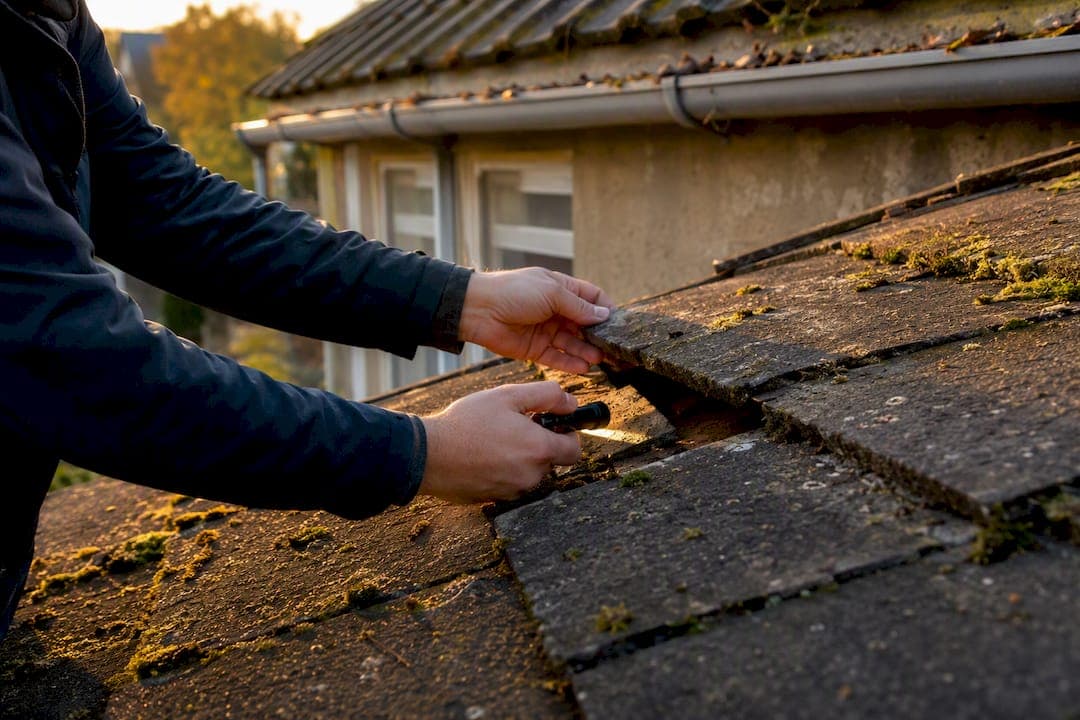
A slipped tile is a £40 fix. Left two winters, it's a damp patch, then a rotten joist, then a five-figure structural repair and a property that fails its next survey outright. This is the mechanism behind how property maintenance protects asset value: small interventions, caught early, stop cascading damage before it reaches the parts of a building that are expensive to open up and expensive to fix.
Roofs, gutters, and damp-proofing are the classic early-warning systems. A gutter clearance twice a year costs next to nothing. A blocked gutter that overflows into a wall cavity for three years can undermine the structural integrity a buyer's surveyor will flag at the worst possible moment, mid-sale.
The same logic applies to major systems. Boilers, consumer units, and heating controls have a serviceable lifespan that servicing extends and neglect shortens. A boiler serviced annually might run reliably for 12 to 15 years. One left unserviced can fail at year seven, usually in January, usually with a tenant on the phone.
Tenant experience feeds straight back into the numbers. Landlords who respond quickly to repairs see fewer complaints, longer tenancies, and fewer void periods, and that operational reliability is precisely what shows up as stronger net operating income on a buyer's due diligence spreadsheet.
Poorly documented condition also complicates insurance. Reinstatement valuations and claims both depend on evidence that a property was properly maintained, not just that it looked fine on the day of the visit.
Pro Tip: Photograph every completed repair with a timestamp, even minor ones. When a buyer's surveyor questions the condition of a roof or a boiler, a dated photo record settles the argument faster than any verbal assurance.
Preventative versus reactive maintenance: when prevention pays
An annual boiler service costs a fraction of an emergency replacement done on a Sunday with a tenant in the property. A scheduled gutter clearance costs a fraction of drying out and replastering a bedroom after water ingress. The pattern repeats across nearly every system in a rental property: prevention is cheaper, and it's rarely close.
Industry cost modelling around property maintenance strategy generally supports a rough rule that every £1 spent on planned prevention avoids roughly £5 in reactive repair costs once emergency call-out fees, tenant disruption, and knock-on damage are factored in. That ratio isn't universal. It shifts depending on the system, its age, and how far a fault has progressed before anyone notices. But the direction of travel never changes: catching it early is cheaper than catching it late.
Moving a portfolio from reactive to preventative doesn't require a huge overhaul. It requires structure:
- Set an inspection cadence for each property (typically every three to six months, more often for older stock).
- Track the lifecycle of major systems: install date, expected service life, last service date.
- Budget a maintenance reserve as a fixed percentage of rental income, not an afterthought.
- Review completed works against the schedule quarterly, not annually.
A documented maintenance schedule turns this from a good intention into an operational habit.
Compliance and legal risk that directly hits your valuation
This is where maintenance stops being purely operational and becomes a financial exposure. HHSRS (the Housing Health and Safety Rating System) scores hazards in a property from excess cold to fire risk to electrical danger, and a Category 1 hazard is the kind of finding that turns up on an enforcement notice, not just a snagging list.

Awaab's Law, extending through further phases, tightens the timeframes landlords have to fix hazards like damp and mould once notified, with real consequences for those who miss them. Alongside it sit two certificates every landlord already knows they need: the CP12 landlord gas safety record, renewed annually by a Gas Safe engineer, and the EICR, the electrical inspection and condition report required at least every five years. Both need a clearly identified duty-holder responsible for renewal.
Miss either, and the exposure isn't hypothetical. Enforcement action, prohibition orders, lost rental income while a property sits unlettable, and fines all sit downstream of a lapsed certificate.
Valuers increasingly treat compliance failures as material adjustments rather than anecdotal issues. Landlords now need tribunal-grade evidence to rebut or mitigate a discount, not just an assurance that work was done.
What counts as evidence has also shifted. Valuers now expect HHSRS scoring documentation, thermal imaging for cold and damp claims, and timestamped remediation logs, not a verbal account of "we sorted that ages ago." A clear repair obligations record with dates and named contractors is what prevents a dispute from ever reaching that stage.
What neglect actually costs: the numbers behind the discount
A neglected £250,000 property risks a discount of £25,000 to £37,500. Scale that to a £400,000 London flat and the exposure moves towards the £60,000 mark that national modelling associates with the capital's higher averages.
The cash loss on the sale price is only the headline figure. Lenders grow cautious about properties with a compliance history, buyers make offers conditional on remediation being completed first, rent stops the moment a property becomes uninhabitable during major works, and insurers adjust premiums upward once a claims or hazard history exists on file. Each of those secondary effects compounds the primary discount rather than replacing it.
What a joined-up maintenance and compliance operation looks like
The theory is straightforward: prevent decay, document everything, respond fast when something breaks. The harder part is running it consistently across a portfolio without the compliance side and the repairs side operating as two disconnected functions, one team chasing certificates, another fixing leaks, neither talking to the other.

777pcm was built around closing that gap. In-house Gas Safe registered engineers handle CP12 renewals directly rather than through subcontractors, certified electricians manage EICR inspections, and EPC assessments sit within the same portal alongside plumbing, heating, drainage, and general repair work. Everything logs to one record, with one point of accountability.
That structure matters because it produces exactly the evidence a valuer or an enforcement officer wants to see: dated certificates, a named responsible person, and a remediation history that shows problems were fixed quickly rather than left to escalate.
When evaluating any provider for this role, check for:
- A clearly named duty-holder responsible for each certificate type
- Response service levels for both routine and emergency repairs
- An accessible audit trail landlords and valuers can review on request
- In-house qualified trades rather than an unaccountable subcontractor chain
Pro Tip: Ask any prospective compliance provider how quickly they can produce a full certificate and repair history for a single property, on demand. If it takes them more than a day to pull together, your records aren't in as good shape as you think.
Maintenance as an investment, not a cost line
Most landlords still budget maintenance the way they budget insurance: money spent to avoid a worse outcome, filed under overhead. That framing is the mistake. Treated as an investment decision, maintenance spend has a return you can actually measure, in retained value, in avoided discounts, in tenants who stay longer because the property works properly. The landlords who get this right aren't spending more. They're spending earlier, and on a schedule rather than in a panic.
If there's one action worth taking this quarter, it's an honest audit of your highest-risk assets, the oldest boiler, the property with the longest gap since its last full inspection, before a valuer or a tenant finds the problem first.
How 777pcm helps protect your property's exit value
777pcm is the difference between chasing separate contractors for every certificate and having one team that already holds the full compliance and repair history for every property in your portfolio. Core services run through a single account: CP12 landlord gas safety certificates, EICR electrical inspections, EPC assessments, and remedial work across plumbing, heating, drainage, and general repairs, all handled by in-house trades rather than passed to third-party subcontractors.

That structure is what pays off at valuation time. Every job logs through one portal, so when a buyer's surveyor or a mortgage valuer asks for evidence of condition, you're not reconstructing a paper trail from memory. You've got dated remediation records, a named duty-holder, and a fast response history already sitting there. If you manage gas safety across a portfolio, the CP12 service is a straightforward place to start, or get a full picture of what a joined-up compliance and maintenance setup looks like via 777pcm.
Frequently asked questions
How does routine maintenance actually increase property value? It doesn't create value so much as protect it. Fixing small faults before they cascade into structural or system failures keeps a property in the condition a valuer expects, avoiding the discounts applied to visibly neglected homes.
What's the single biggest compliance risk for landlords right now? Missing or lapsed HHSRS-related evidence, particularly around damp, cold, and electrical hazards, given how Awaab's Law extensions have tightened enforcement timeframes and evidence standards.
Do CP12 and EICR certificates actually affect resale value? Indirectly but significantly. Missing certificates raise red flags for lenders and buyers' solicitors, slow sales, and invite the kind of scrutiny that surfaces other maintenance issues a seller would rather not disclose mid-negotiation.
How often should a rental property be inspected to protect its value? Every three to six months for most properties, with more frequent checks for older buildings or those with a history of damp, heating faults, or electrical issues, as outlined in property inspection guidance for managed tenancies.