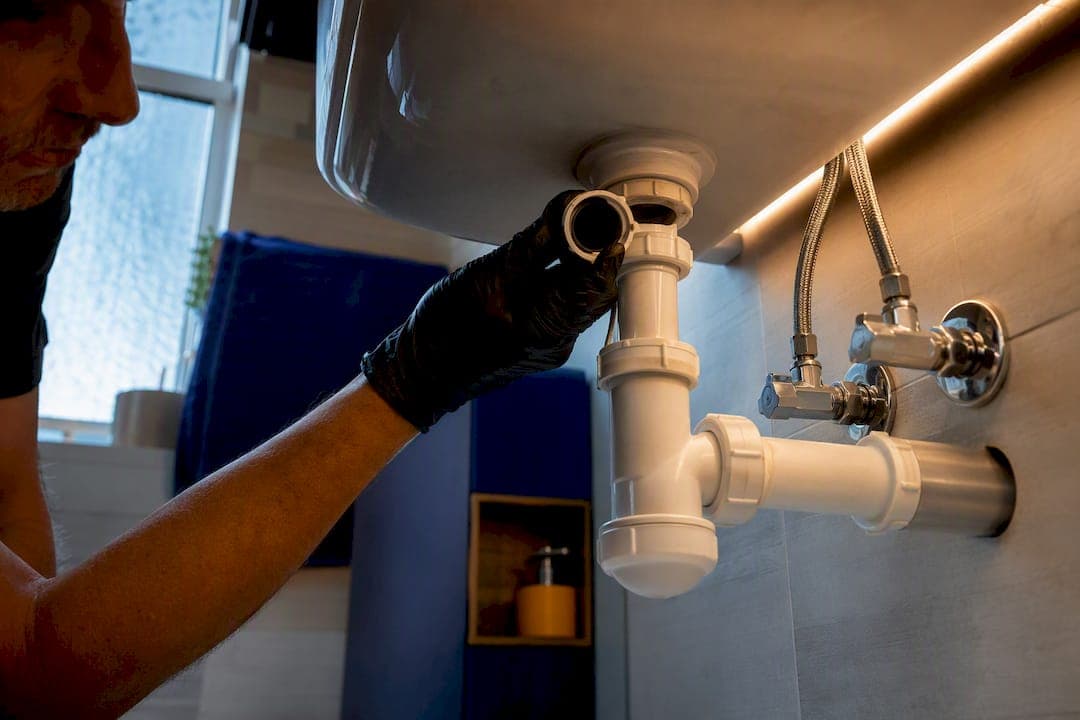
Two culprits explain most sewer smells in a bathroom: a dry trap that has lost its water seal, or biofilm building up inside the waste pipe. Run the tap for 30 to 60 seconds and see whether the smell clears. If it does, you have found the fault. If the odour returns quickly, or spreads to more than one fixture, stop DIY attempts and call a plumber.
TL;DR:
- Most sewer odors originate from a dry trap caused by infrequent use, which can be temporarily fixed by refilling or sealing with mineral oil.
- Biofilm buildup inside pipes produces hydrogen sulfide and requires mechanical removal and enzyme treatment for long-term odor control.
- Persistent smells after DIY fixes often indicate deeper plumbing issues, such as vent blockages, cracked pipes, or failed seals, requiring professional diagnosis.
- Signs needing professional help include gurgling drains, odors across multiple fixtures, slow backing-up water, and smells worsening after heavy rain.
- Routine maintenance, including weekly running water, monthly cleaning, and annual inspections, helps prevent root intrusion, trap loss, and biofilm accumulation.
Table of Contents
- Finding the source of the drain smell in bathroom fixtures
- Quick DIY fixes that often solve the problem in minutes
- Deeper cleaning methods for biofilm and partial clogs
- Plumbing faults that need a professional
- Preventing drain smells: a simple maintenance routine
- What to check and what to tell a tradesperson
- Why most advice on this stops one step too early
- Get a professional inspection when DIY reaches its limit
- Sources
Finding the source of the drain smell in bathroom fixtures
Before you reach for a bottle of anything, work out which fixture is actually to blame. A bathroom rarely has one universal culprit. It usually has one offender, and three innocent bystanders getting blamed for its mess.
Go through each fixture methodically:
- Sniff each drain individually — sink, shower, bath, toilet, and floor waste if you have one. Get close. Smell varies a surprising amount over even 30 centimetres.
- Run one fixture at a time and listen. Gurgling, bubbling, or unusually slow drainage points to a blockage or venting issue rather than simple evaporation.
- Check visually for hair mats and slime. Pink or orange slime in the overflow or around the plughole is biofilm, not mould, and it smells worse than it looks.
- Check the toilet base. A wobble, hairline crack in the grout, or dampness on the skirting nearby can mean a failed wax seal, which lets sewer gas escape continuously rather than intermittently.
Bathrooms used infrequently, such as an en suite in a spare room, are the most common source because their traps dry out between uses. Isolate the fixture first; every fix that follows depends on knowing exactly where the smell starts.
Quick DIY fixes that often solve the problem in minutes
Most bathroom odours trace back to a dried-out trap, and a dry P-trap is the most common cause of sewer-like smells in a bathroom. The trap is the bent section of pipe under every sink, shower, and bath that holds a small reservoir of water, blocking sewer gas from rising back through the pipework. When a fixture goes unused for a week or two, that water evaporates and the seal disappears.
- Run water for a short time in the affected fixture to refill the trap.
- For wastes you rarely use, such as a guest shower, add some mineral oil on top of the water. Mineral oil forms a thin film that slows evaporation so the trap stays sealed for weeks instead of days.
- Clear visible hair and debris from strainers, stoppers, and the overflow opening. Wear gloves and use a zip tool (a cheap plastic barbed strip) to hook out what a cloth cannot reach.
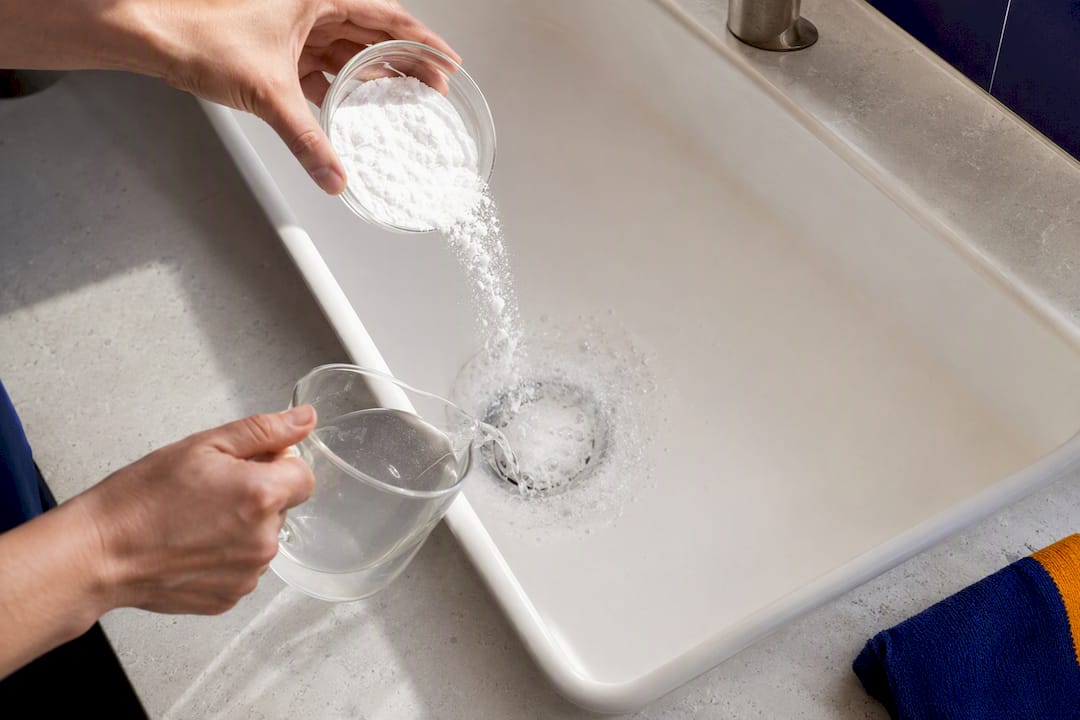
- Pour half a cup of baking soda down the drain, follow with half a cup of white vinegar, leave for 10 minutes, then flush with a kettle of hot (not boiling) water.
Pro Tip: Avoid reaching for caustic drain cleaners as a default fix. They can degrade older metal pipework and the rubber seals in a P-trap over repeated use, turning a smell problem into a leak problem.
The baking soda and vinegar combination will not dissolve a serious clog, but it does loosen surface-level grime and neutralises odour compounds effectively enough for routine maintenance. If the smell is back within a day of trying these steps, the problem sits deeper than a quick flush can reach.
Deeper cleaning methods for biofilm and partial clogs
If quick fixes have not worked, the smell is probably coming from biofilm rather than a dry trap. Biofilm is a living layer of bacteria that feeds on hair, soap residue, and skin oils, and it produces hydrogen sulphide as a by-product, which is exactly the rotten-egg smell you are trying to get rid of. Surface cleaning only reaches the top layer, so the smell often returns within a day or two because the deeper film is untouched.
- Remove the pop-up stopper or strainer. Most bathroom sink stoppers lift out once you release the small clip under the sink, or unscrew anticlockwise. Clean it thoroughly, then scrub inside the overflow channel, which is a favourite hiding spot for biofilm that gets ignored during normal cleaning.
- Use a hand snake or drain auger for anything beyond arm's reach. Feed it in slowly, turning as you go, and stop the moment you feel firm resistance rather than forcing it. Older or narrower pipework can crack under too much pressure from an auger pushed too hard.
- Apply an enzyme-based cleaner after mechanical cleaning. Enzyme cleaners break down organic build-up gradually rather than dissolving it instantly, so they work best as a maintenance step used every few weeks rather than a one-off emergency fix.
- Flush with hot water after each cleaning session to carry loosened debris fully through the pipe rather than leaving it to resettle a few centimetres further down.
A smell that returns within 24 hours of a proper clean is a strong signal that the fault sits deeper than the visible trap arm, which usually means it is time to call in a professional rather than repeating the same steps.
Plumbing faults that need a professional
Some causes of a smelly bathroom drain have nothing to do with cleaning and everything to do with the pipework itself. These faults do not respond to baking soda, and attempting to fix them yourself can make matters considerably worse.
Watch for these warning signs:
- Gurgling or bubbling from a drain that has not even been used recently.
- Odour affecting multiple fixtures at once rather than one isolated sink or shower.
- Water backing up slowly in the bath or shower when you run the basin tap.
- Smell that is strongest near a floor waste or around the base of the toilet.
- Odour that worsens noticeably after heavy rain.
These symptoms typically point to a vent, main-line, or structural plumbing problem rather than a simple trap or biofilm issue, and a licensed plumber will usually check several things during a visit: a blocked vent stack (which stops air pressure equalising and can pull water straight out of nearby traps), a failed wax ring under the toilet, a cracked drain pipe hidden behind a wall or under a slab, and root intrusion or backups further along the main line. Persistent gurgling across several drains is a classic sign of a deeper blockage that a hand snake will not resolve.
Professionals diagnose these faults with tools homeowners rarely have access to: dye or smoke testing to trace a leak's path, camera inspections that travel metres down the pipe to spot cracks or root growth, and pressure testing on the vent system. Fixtures that lose their trap seal repeatedly, even with regular use, often point to a venting or pressure fault rather than ordinary evaporation.
Preventing drain smells: a simple maintenance routine
Odour prevention is mostly about keeping traps full and biofilm from building a foothold, and it takes only minutes a week once it becomes habit.
Weekly:
- Run water for a minute in any fixture you have not used, particularly a guest bathroom or utility sink.
- Flush the main shower and sink drains with hot water after your last use of the day.
Monthly:
- Remove and rinse strainers and stoppers under the tap.
- Run a baking soda and vinegar flush, or an enzyme cleaner, through drains that see heavy use.
Seasonal or annual:
- Check the toilet base for movement or hairline cracking in the sealant around it.
- Note any fixture that keeps losing its trap seal despite regular use. This is worth flagging to a plumber before it becomes a bigger issue.
Pro Tip: Keep a lid or plug in seldom-used floor wastes when the property is unoccupied for more than a couple of weeks. It slows evaporation and saves you walking into a sewage smell on your first visit back.
For landlords managing multiple properties, this routine is easiest to keep consistent when it is written into a scheduled maintenance visit rather than left to memory. A drain-focused check during routine plumbing inspections catches trap and biofilm issues long before a tenant reports a bad smell.
What to check and what to tell a tradesperson
Most bathroom odour complaints resolve with the checks already covered above, but knowing what to hand over to a plumber saves an unnecessary call-out or a wasted first visit. In rental properties specifically, recurring trap loss often points to something a DIY fix cannot touch, such as a trap installation fault, a siphoning effect from a neighbouring fixture, or a vent termination issue — all of which need an engineer's eyes rather than another bottle of vinegar.
Before calling anyone, gather evidence that speeds up diagnosis:
- A photo of any damp patch or staining, particularly around a toilet base or skirting board.
- A short video of gurgling or bubbling, since sound alone is hard to describe accurately over the phone.
- A clear note of which fixtures are affected and whether the smell coincides with rain, heavy use, or a specific time of day.
Recurring plumbing issues in rental properties tend to follow patterns landlords recognise once they have dealt with a few. A tradesperson attending a persistent odour complaint will typically inspect the trap first, then move to a vent assessment if the trap looks intact, and use a camera survey if neither points to an obvious fault. On older or larger properties, a sewer-line diagnosis may follow if root intrusion or a collapsed section is suspected. Reporting the right details upfront, rather than a vague "bathroom smells bad," is what turns a two-visit job into a one-visit job.
Why most advice on this stops one step too early
Most guides treat a smelly drain as a cleaning problem, and for a genuine majority of cases, that is correct. A dry trap or a build-up of hair and soap scum accounts for the bulk of complaints, and both respond to five minutes of effort and no specialist tools. Where the conventional advice falls short is in what it tells readers to do when the smell comes back.
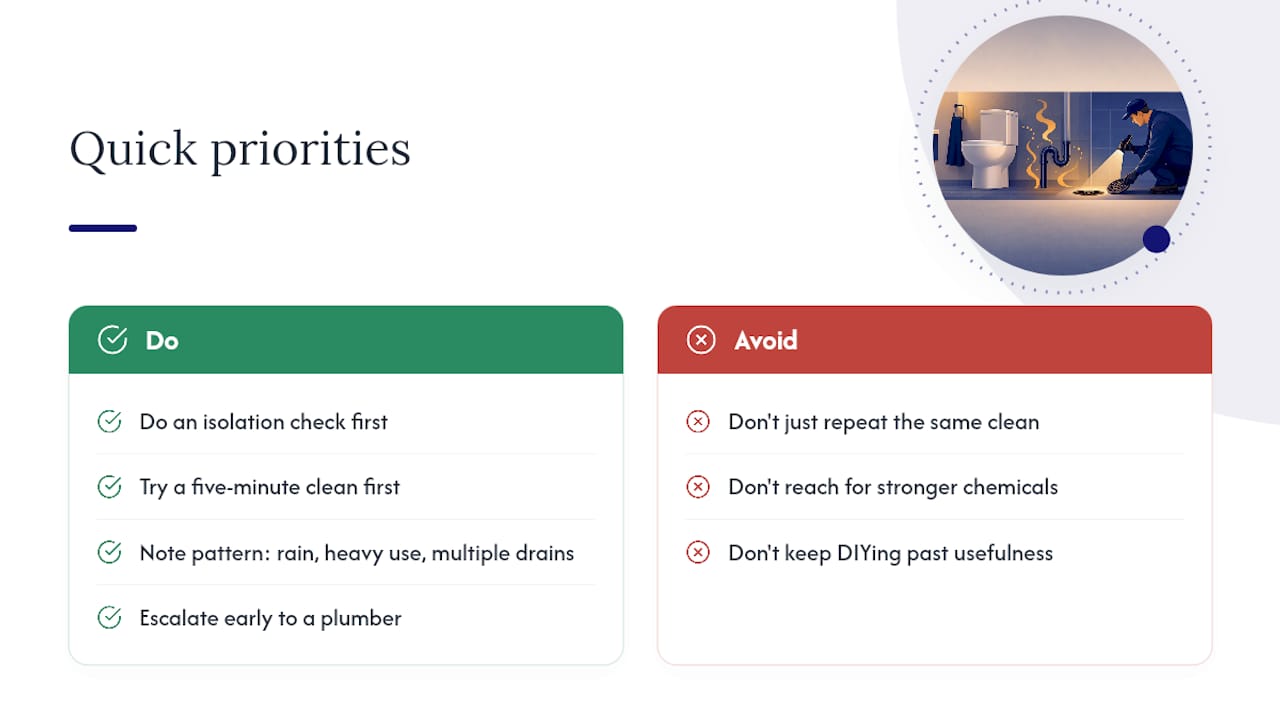
Too many articles suggest repeating the same clean, or reaching for a stronger chemical, when a returning smell is actually diagnostic information. It tells you the fault sits below where a bottle of anything can reach. Prioritise the isolation check first, always, before any product or tool. Knowing which fixture and which pattern (after rain, after heavy use, across multiple drains) does more to solve the problem than any cleaning method on its own.
The other gap is escalation confidence. Homeowners and tenants alike tend to keep trying DIY fixes well past the point of usefulness, partly because calling a plumber feels like an admission of failure. It is not. A vent fault or a failed wax seal was never going to respond to baking soda, and recognising that early saves money rather than costing it.
— Mike
Get a professional inspection when DIY reaches its limit
If you have worked through the trap refills, the cleaning, and the checks above and the smell keeps coming back, that is 777pcm's territory. 777pcm gives landlords, letting agents, and property managers a single point of contact for exactly this kind of recurring plumbing fault, rather than chasing down a subcontractor every time a tenant reports a smell.

The advantage over piecing together separate tradespeople is straightforward: 777pcm's in-house plumbing specialists carry out the trap inspection, vent assessment, and camera survey as one job, with one engineer accountable for the diagnosis rather than three different visits passing the problem along. That matters most for portfolio landlords dealing with the same odour complaint across several properties, where a proper diagnosis the first time saves a repeat call-out a few weeks later.
If a drain smell has been recurring in one of your rental properties, book an inspection through 777pcm and get the underlying fault identified rather than masked.