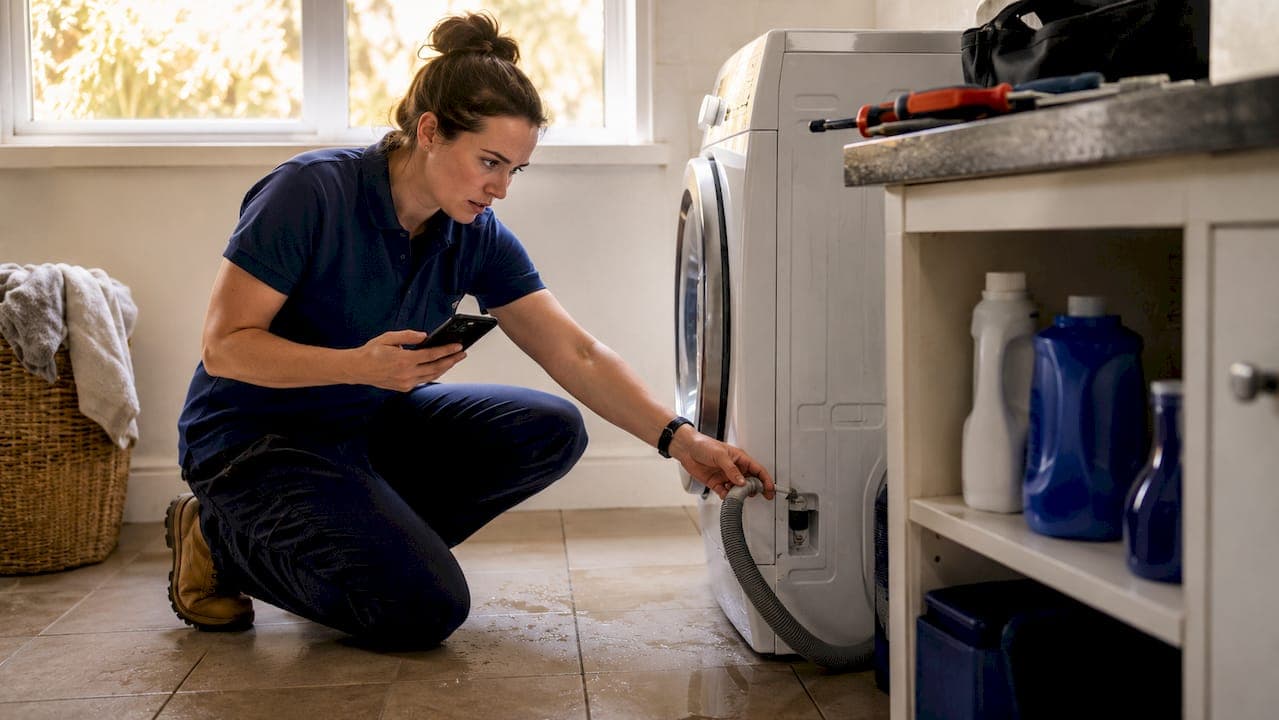
Handling emergency plumbing in a rental home means taking immediate, structured action to contain damage, meet legal obligations, and protect both your tenants and your property. Section 11 of the Landlord and Tenant Act 1985 requires landlords to keep plumbing installations in proper working order, with the industry benchmark for emergency response set at 24 hours. Awaab's Law, anticipated to enforce strict response requirements for high-risk hazards, makes proactive compliance even more pressing in 2026. Burst pipes, flooding, and complete heating failure during winter all qualify as genuine plumbing emergencies. Each demands a fast, documented response.
How do you handle emergency plumbing in a rental home?
The legal standard for emergency repairs is reasonableness based on urgency. Courts assess the urgency, risk to health, and the season when deciding whether a landlord acted appropriately. No fixed statutory deadline exists in England, but 24 hours is the accepted industry benchmark for emergencies such as burst pipes or no heating in winter. Routine repairs carry a separate benchmark of up to 28 days. Understanding this distinction protects you from unnecessary costs and legal exposure.
Plumbing emergencies in rental properties typically fall into three categories: active water escape (burst pipes, overflowing drains), complete loss of heating or hot water between october and april, and gas-related incidents requiring immediate isolation. Each carries a different risk profile, but all require the same first response: contain the damage, communicate with the tenant, and engage a qualified contractor without delay. Treating a non-emergency as urgent wastes money. Treating a genuine emergency as routine risks tenant safety and legal liability.
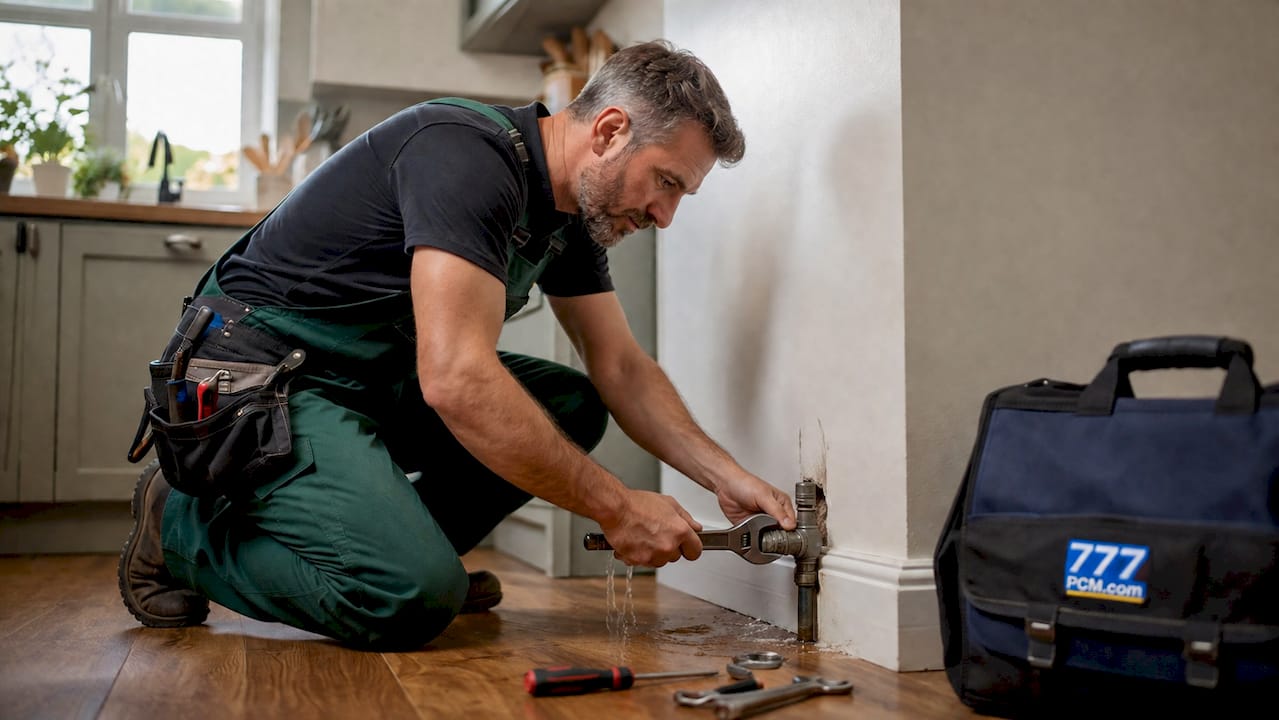
Setting up tenant communication and emergency contact procedures
Clear communication before an emergency occurs is the single most effective preparation a landlord can make. Landlords should provide tenants with a dedicated emergency contact number at the start of the tenancy, alongside written guidance on what qualifies as an emergency and how to report it. This reduces the volume of unnecessary out-of-hours calls and speeds up genuine responses. A simple one-page document in the welcome pack covers the essentials.
A tenant triage checklist helps both parties identify whether a situation is a true emergency. Triage questions should include:
- Is anyone at immediate risk of harm?
- Is water or gas actively escaping?
- Has the stopcock or gas supply been isolated?
- Can the issue safely wait until the next working day?
- Is there a risk of structural damage if left overnight?
Tenants should also receive clear safety instructions at the tenancy start. These include the location of the stopcock, how to isolate the electricity supply, and the emergency number for the gas network. Written confirmation of any verbal report is non-negotiable. It creates the audit trail that protects you if a dispute arises later.
Pro Tip: Send a brief text or email to the tenant immediately after any verbal emergency report, summarising what was said, when, and what action you are taking. This single habit prevents the majority of landlord-tenant disputes about response times.
How do you build a reliable 24/7 emergency contractor network?
Pre-arranged agreements with emergency plumbers are the difference between a contained incident and a flooded property. Waiting until a pipe bursts to search for a contractor means delays, inflated prices, and avoidable damage. The best emergency plumbing services for rental properties are those you have already vetted, briefed, and agreed terms with before any incident occurs.
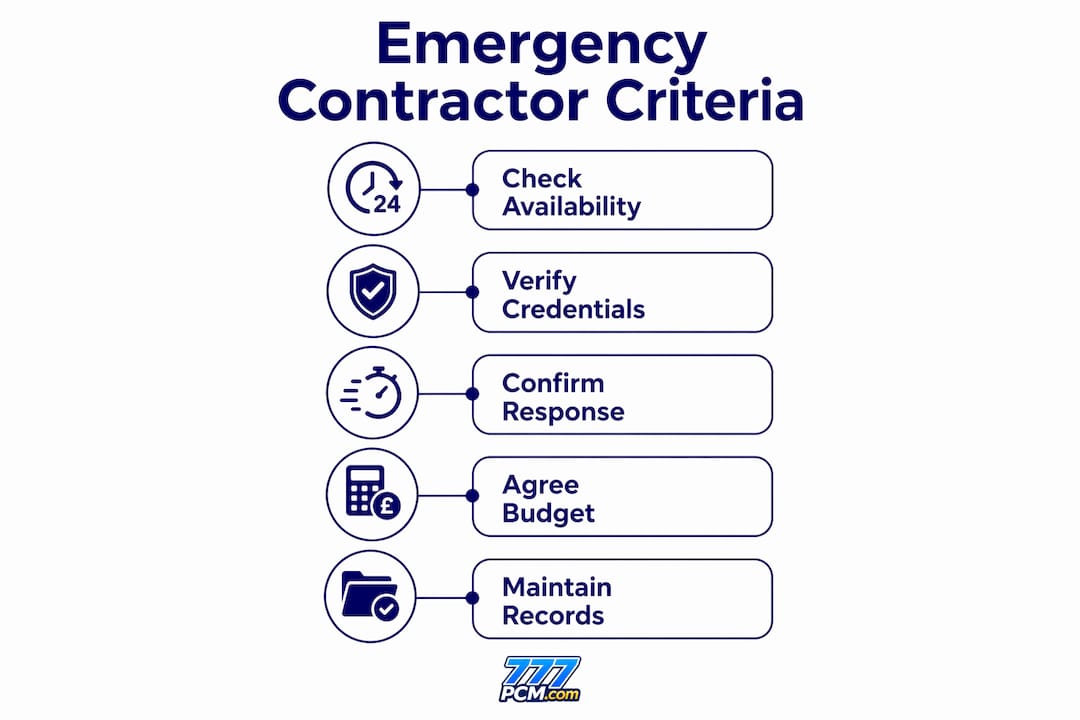
When building your contractor network, follow these steps:
- Identify at least two qualified plumbing contractors who offer genuine 24/7 call-out availability, including bank holidays.
- Verify credentials and insurance. All plumbing contractors working on gas-related systems must hold Gas Safe registration. Public liability insurance is a minimum requirement for any trade.
- Agree a pre-authorised call-out budget. An initial emergency budget of £250–£500 for containment works is standard practice. This allows contractors to attend and stop active damage without waiting for individual authorisation on each job.
- Establish a backup contractor. If your primary contractor is unavailable, you need a second option ready. A gap in coverage at 2AM on a Sunday is not the time to start searching.
- Agree a call-out fee threshold for non-emergencies. Wasted call-out fees for misclassified jobs typically cost £80–£150. A clear triage process prevents this waste.
The table below summarises the key contractor criteria to confirm before signing any agreement.
| Criteria | What to confirm |
|---|---|
| Availability | Genuine 24/7 cover, including bank holidays |
| Credentials | Gas Safe registration, relevant trade qualifications |
| Insurance | Public liability insurance as a minimum |
| Response time | Attendance within 1–2 hours for genuine emergencies |
| Pre-agreed budget | £250–£500 containment limit without further authorisation |
Pro Tip: Ask your contractor to confirm their average attendance time for out-of-hours calls in writing. A contractor who claims 24/7 availability but averages a four-hour response time is not suitable for genuine plumbing emergencies.
For guidance on managing out-of-hours repairs across your portfolio, the distinction between routine and genuine emergencies is covered in detail by 777pcm's specialist resources.
Step-by-step guide to managing a plumbing emergency from report to repair
When a tenant reports a plumbing problem, the first two minutes of your response set the tone for everything that follows. A structured process removes panic and keeps you legally protected throughout.
- Triage the report immediately. Ask the tenant directly: is water actively escaping, is anyone at risk, and has the stopcock been turned off? Confirm whether the issue qualifies as an emergency before committing to an out-of-hours call-out.
- Authorise containment works. Once confirmed as an emergency, contact your pre-arranged contractor and authorise attendance within your agreed budget limit. Do not delay this step. Active water damage compounds rapidly.
- Log the timeline in writing. Record the exact time of the tenant's report, the time you acknowledged it, the time you contacted the contractor, and the contractor's estimated attendance time. Detailed documentation of this timeline is your primary defence against negligence claims.
- Arrange temporary measures where needed. If a full repair cannot be completed immediately, provide interim solutions. Complete heating failure between october and april requires repair within 24–48 hours, with portable electric heaters provided if the repair is delayed. This keeps the property habitable and demonstrates good faith.
- Communicate progress to the tenant. Update the tenant at each stage: contractor contacted, contractor en route, repair completed. Regular communication prevents escalation and builds trust.
- Follow up in writing after the repair. Send a written summary to the tenant confirming the repair completed, the date, and any follow-up works required. This closes the audit trail cleanly.
For landlords managing heating-related plumbing failures specifically, 777pcm's guide to fixing heating failure in rental properties covers the legal obligations and practical steps in full.
Key actions to take during the repair itself:
- Keep a record of all contractor invoices and job sheets.
- Photograph the damage before and after repair.
- Note any tenant-caused damage separately for insurance or deposit purposes.
- Confirm the repair meets the required standard before closing the job.
Common challenges: access issues, false emergencies, and documentation
Tenant access and misclassified emergencies are the two most common problems landlords face when managing rental home plumbing issues. Both are manageable with the right preparation.
On access, a brief phone call immediately before attendance is legally sufficient notice for a genuine emergency under Section 11. Forced entry is only justifiable where an immediate life threat exists. If a tenant refuses access, document the refusal immediately and seek a court injunction if the situation continues. Never force entry in a non-life-threatening situation, regardless of the urgency of the repair.
Maintaining an audit trail from the moment a tenant reports an issue is the most effective protection against compensation claims. Log every communication, every contractor contact, and every action taken, with timestamps. Courts treat this record as primary evidence in landlord-tenant disputes.
False emergencies are a real cost. Confusion between emergency and urgent repairs leads to unnecessary out-of-hours call-outs, each costing £80–£150 in wasted fees. A clear triage process, shared with tenants at the tenancy start, reduces this significantly. When a tenant reports a dripping tap at 11PM as an emergency, a well-briefed tenant knows to wait. A poorly briefed one expects an immediate response.
Documentation best practices to follow throughout:
- Log every tenant report with the exact time and method of contact.
- Follow up all verbal reports with a written summary sent to the tenant.
- Maintain a dedicated emergency repair log for each property.
- Store contractor invoices, job sheets, and photographs in a single accessible location.
- Record any tenant refusals of access with date, time, and method of communication.
Key takeaways
Landlords who pre-plan their emergency contractor network, communicate clear triage procedures to tenants, and document every step of the repair process will handle rental home plumbing emergencies faster, cheaper, and with far less legal risk.
| Point | Details |
|---|---|
| Legal benchmark is 24 hours | Section 11 and industry standards set 24 hours as the target for emergency plumbing response. |
| Pre-agree a call-out budget | A £250–£500 pre-authorised limit allows contractors to act without delay. |
| Triage prevents wasted costs | Clear tenant triage questions stop non-emergencies generating £80–£150 call-out fees. |
| Documentation is your defence | A timestamped repair log is the primary evidence in any negligence or compensation dispute. |
| Temporary measures are mandatory | Portable heaters must be provided if heating repairs are delayed between october and april. |
What I have learned about emergency plumbing management in rentals
After working closely with landlords across residential portfolios, the pattern is consistent. The landlords who handle plumbing emergencies well are not the ones who react fastest in the moment. They are the ones who prepared before anything went wrong.
The biggest mistake I see is treating contractor relationships as transactional. Landlords who call a random plumber from a search engine at midnight pay more, wait longer, and get less reliable work. The landlords who have a named contact, a pre-agreed rate, and a standing arrangement get their contractor on-site in under two hours. That difference is the gap between a contained incident and a flooded kitchen.
Clear tenant communication is equally underrated. A tenant who knows where the stopcock is and what counts as a genuine emergency is a genuine asset in a crisis. Most landlords hand over keys and a tenancy agreement. The best ones hand over a one-page emergency guide as well.
My honest view is that Awaab's Law will raise the bar significantly for response times. Landlords who wait to be told what the new standard is will find themselves scrambling. Those who adopt the 24-hour benchmark now, document everything, and build proper contractor networks will be compliant before the legislation lands.
— Mike
777pcm's emergency plumbing support for landlords
Landlords managing rental properties need a plumbing service that is ready before the emergency happens, not one that requires a search at midnight.

777pcm provides fast-response plumbing services for landlords and property managers, with in-house plumbing specialists available for emergency call-outs across residential portfolios. There are no third-party subcontractors, which means direct accountability and consistent quality on every job. Transparent pricing and pre-agreed budgets remove the uncertainty that slows down emergency authorisation. For landlords who need a reliable, compliant plumbing partner, 777pcm's residential plumbing specialists are equipped to respond quickly and document every step for your records.
FAQ
What counts as an emergency plumbing repair in a rental property?
Emergency plumbing repairs include burst pipes, active flooding, complete loss of hot water, and any gas-related incident. These require landlord response within 24 hours under the industry benchmark set by Section 11 of the Landlord and Tenant Act 1985.
How quickly must a landlord fix a burst pipe?
A burst pipe is a genuine emergency requiring immediate contractor attendance, typically within hours. The 24-hour industry benchmark applies, and any delay that causes further damage may expose the landlord to a negligence claim.
Can a landlord enter a rental property without notice in a plumbing emergency?
A brief phone call immediately before attendance is legally sufficient notice for a genuine emergency. Forced entry is only justified where an immediate life threat exists; otherwise, document any tenant refusal and seek a court injunction.
What should a landlord do if a tenant reports a plumbing emergency at night?
Contact your pre-arranged emergency contractor immediately, authorise containment works within your agreed budget, and log the exact time of the tenant's report and your response. Provide temporary measures such as portable heaters if heating is affected.
How do landlords avoid unnecessary emergency call-out costs?
A clear tenant triage process reduces misclassified emergencies. Asking whether water is actively escaping, whether anyone is at risk, and whether the issue can wait until the next working day prevents unnecessary out-of-hours call-outs costing £80–£150 each.