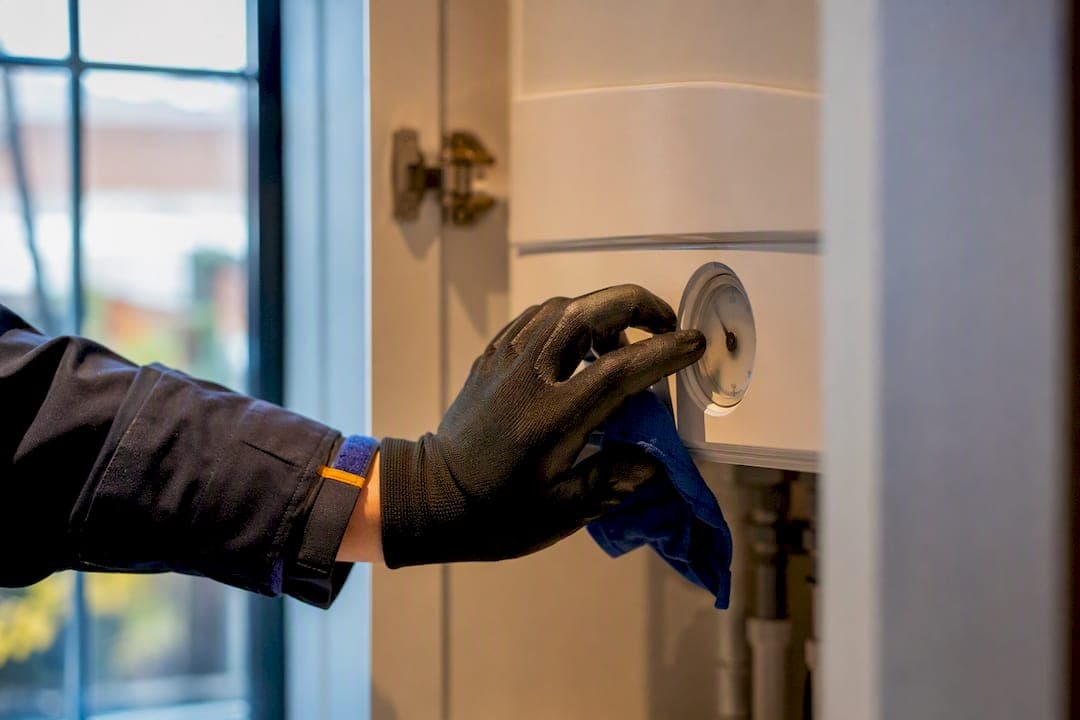
If your boiler pressure keeps dropping, top it up through the filling loop to around 1.5 bar cold and see how it holds. A quick top-up fixes most one-off drops in under five minutes. If the gauge falls again within a few days, you're likely dealing with a leak or a failing part, such as the pressure relief valve or expansion vessel, and that calls for a Gas Safe engineer. Boiler pressure under 1.0 bar cold is considered too low, while significantly high pressure may trigger a safety cut-out.
TL;DR:
- Regularly topping up the boiler to 1.5 bar is safe for homeowners if the pressure drops temporarily but persistent drops indicate leaks or faulty components.
- Conducting a 24-hour test after topping up can identify whether pressure loss is caused by a system leak or expansion vessel failure.
- Call a Gas Safe engineer if pressure drops within one or two days, if the discharge pipe drips constantly, or if the system fails to hold pressure after multiple attempts.
- Annual boiler service and monthly pressure checks help prevent frequent repressurization and catch issues before they cause damage or breakdowns.
- Keeping detailed records, including pressure readings, photos, and times, can significantly speed up diagnosis and repair, especially in rental properties.
Table of Contents
- Safe, step-by-step quick fixes you can try now
- What usually causes boiler pressure to drop
- How do you diagnose the exact cause of dropping pressure?
- When should you call a Gas Safe engineer?
- How can you prevent repeated pressure loss?
- What I've learned watching this play out across rental properties
- Getting professional help for persistent pressure faults
- Sources
Safe, step-by-step quick fixes you can try now
Start by reading the pressure gauge on the front of your boiler. A combi should sit between 1.0 and 1.5 bar when the heating system is cold; open-vented systems run lower, so check your manual if you're unsure which type you have. If the needle sits below that range, here's what to do.
- Locate the filling loop, usually a flexible braided hose connecting two valves under or beside the boiler.
- Open both valves slowly and listen for water moving into the system.
- Watch the gauge climb, then close both valves firmly the moment it reaches 1.5 bar.
- Wipe away any residual water and check the loop isn't leaking at the connections.
- Leave the heating alone for a few hours, then recheck the pressure.
Most manufacturers, and guidance from the Energy Saving Trust, confirm this top-up is safe for homeowners to do themselves, provided you don't open the boiler casing or attempt anything beyond the filling loop.
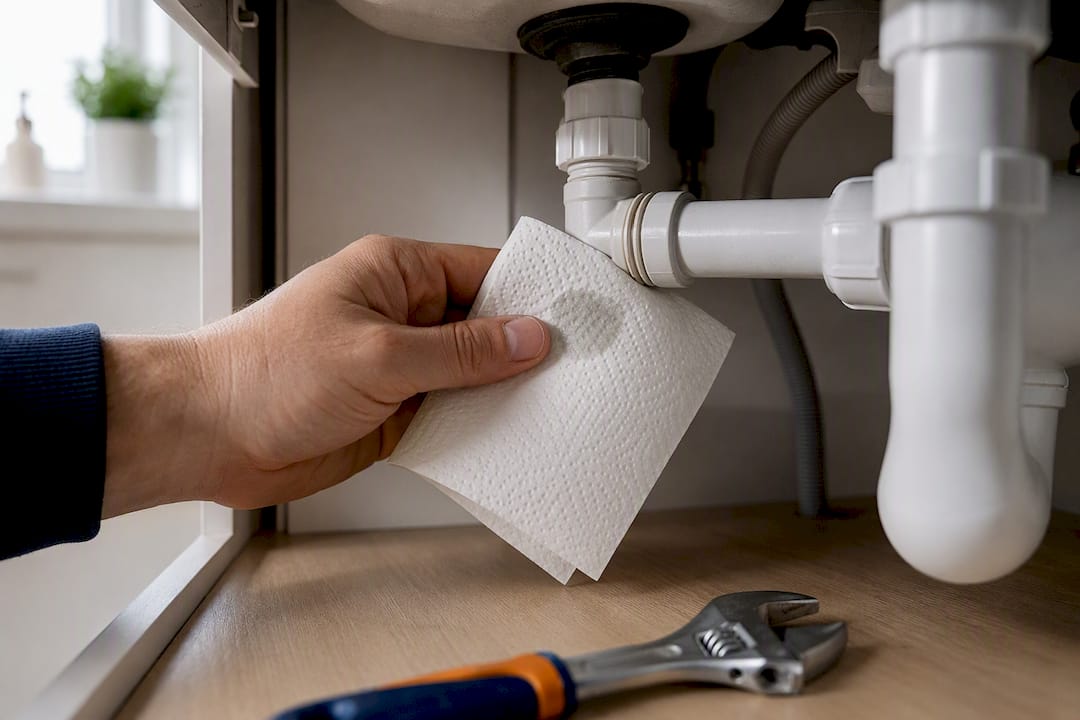
While you're there, glance at the external discharge pipe (often a white plastic pipe running down an outside wall), radiator bleed valves, and any visible pipe joints. A damp patch, a faint drip, or a greenish stain suggests a slow weep. Press a sheet of kitchen roll or a dry plate against a suspect joint for a minute; a wet mark confirms the leak.
Pro Tip: If you've overfilled past 2 bar by accident, bleed a radiator briefly to release a little water and bring the pressure back down. Never vent pressure through the boiler itself.
What usually causes boiler pressure to drop
Several faults produce the same symptom, low pressure, so it helps to know what each one looks like.
- Leaks at radiator valves or pipe joints: even a pinhole leak bleeds pressure steadily over days, often leaving a greenish crust or damp patch that's easy to miss behind furniture.
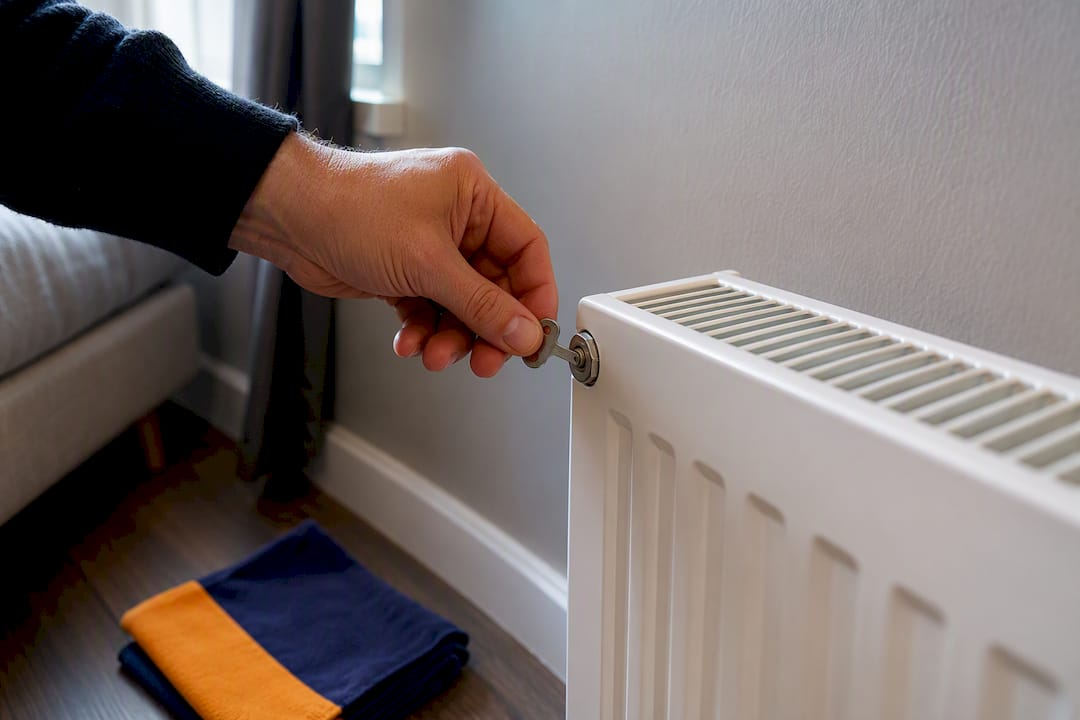
- Bleeding radiators: releasing trapped air naturally drops pressure a little; a small dip is normal, but needing to top up every week points to something else.
- A faulty pressure relief valve (PRV): if the external discharge pipe drips regularly, the PRV or expansion vessel is the likely culprit, not a hidden pipework leak.
- A failing expansion vessel: pressure that rises when the heating runs and falls once it cools is a classic cycling pattern tied to this internal component.
- Filling loop or valve faults: a loop that won't seal properly lets pressure creep down slowly even with no external leak visible.
Low boiler pressure accounts for roughly 15% of boiler-related callouts across the UK, which makes it one of the most common reasons homeowners phone an engineer at all. Genuine internal faults such as a cracked heat exchanger are far rarer and tend to come with other warning signs, like unusual noises or error codes, rather than pressure loss alone.
How do you diagnose the exact cause of dropping pressure?
The single most useful test costs nothing and takes a day. Top the system up to 1.5 bar, switch off the heating and hot water completely, then leave the boiler untouched for 24 hours.
- Note the exact time and pressure reading when you top up.
- Turn off both heating and hot water at the thermostat or programmer.
- Check the gauge again after 24 hours without using the system at all.
- If pressure has dropped noticeably, you're almost certainly looking at a system leak.
- If it holds steady but falls once the heating runs, suspect the expansion vessel instead.
While you wait, inspect the same spots systematically: radiator valves, visible pipe joints, and the external discharge pipe.
- Photograph any damp patches or drips with a timestamp.
- Record how much water you added and when.
- Note any error codes shown on the boiler display.
- Write down whether pressure spikes then falls when the heating cycles.
That evidence, gathered before an engineer even arrives, often cuts diagnostic time on site because it separates a static leak from a dynamic fault caused by breakdowns common in rental heating systems.
When should you call a Gas Safe engineer?
Some signs move this firmly out of DIY territory. Call an engineer if pressure drops again within a day or two of topping up, if the discharge pipe drips continuously rather than occasionally, if you lose more than 0.5 bar overnight, or if the boiler simply won't hold pressure at all after repeated attempts.
Costs vary by fault, but as general guidance:
- A minor leak or valve repair typically runs £60–£300.
- Replacing a failed expansion vessel usually costs £150–£300.
- These are typical ranges, not fixed quotes, since access and part availability vary by property.
Manufacturer warranties from brands like Worcester Bosch, Vaillant, and Ideal generally cover component defects for the warranty period, but pipework leaks outside the boiler almost always fall to the homeowner or landlord to fix. When choosing who to call, ask for Gas Safe registration number, ID card, and a written quote before work starts. Understanding the role a Gas Safe engineer plays helps you judge whether a quote is reasonable.
Pro Tip: Keep the engineer's invoice and any photos you took during the 24-hour test. They speed up warranty claims considerably if the fault recurs.
How can you prevent repeated pressure loss?
A monthly glance at the gauge and an annual service catch most problems before they become emergencies. Landlords in particular benefit from scheduling that annual service consistently, since service records support both warranty claims and compliance obligations.
- Check pressure monthly, ideally on the same day so drops are easy to spot.
- Book an annual service even if nothing seems wrong.
- Keep dated photos and readings any time you top up.
- Watch for repeated faults, an ageing unit, or heat exchanger leaks, all signs replacement beats repair.
A boiler past 12 to 15 years old that needs frequent repressurising is often cheaper to replace than to keep patching.
What I've learned watching this play out across rental properties
The pattern I see most often isn't dramatic. It's a missed annual service, or a tenant who notices a slow drip near a radiator valve and mentions it three weeks later instead of that day. By the time anyone calls an engineer, a five-minute fix has become a bigger job because the leak's had time to damage flooring or corrode a joint further.
The fix isn't cleverer diagnostics. It's earlier reporting and better records, pressure readings, dates, photos, so whoever attends already knows whether they're chasing a leak or a component fault before they've touched a spanner.
— Mike
Getting professional help for persistent pressure faults
If the 24-hour test points to a leak, or your discharge pipe won't stop dripping, that's the moment to bring in someone who can actually open the system up safely. Some companies run their own in-house Gas Safe engineers rather than subcontracting the work out, which means the person diagnosing your fault is the same one fixing it, with no handoff delays in between.

For landlords and letting agents, that matters beyond the immediate repair. A dripping PRV or a corroded joint often surfaces during a routine gas safety check, and some companies handle CP12 landlord gas safety certificates alongside the repair itself, so compliance and maintenance don't become two separate headaches. Before you call, gather what you've already found: your pressure readings, timestamps, any photos from the 24-hour hold test, and details of what you topped up and when. That evidence lets the engineer move straight to diagnosis. From there it's a straightforward path: a diagnostic visit, a written quote, the repair, and updated certification where the property needs it. Get in touch through 777pcm to arrange a visit.