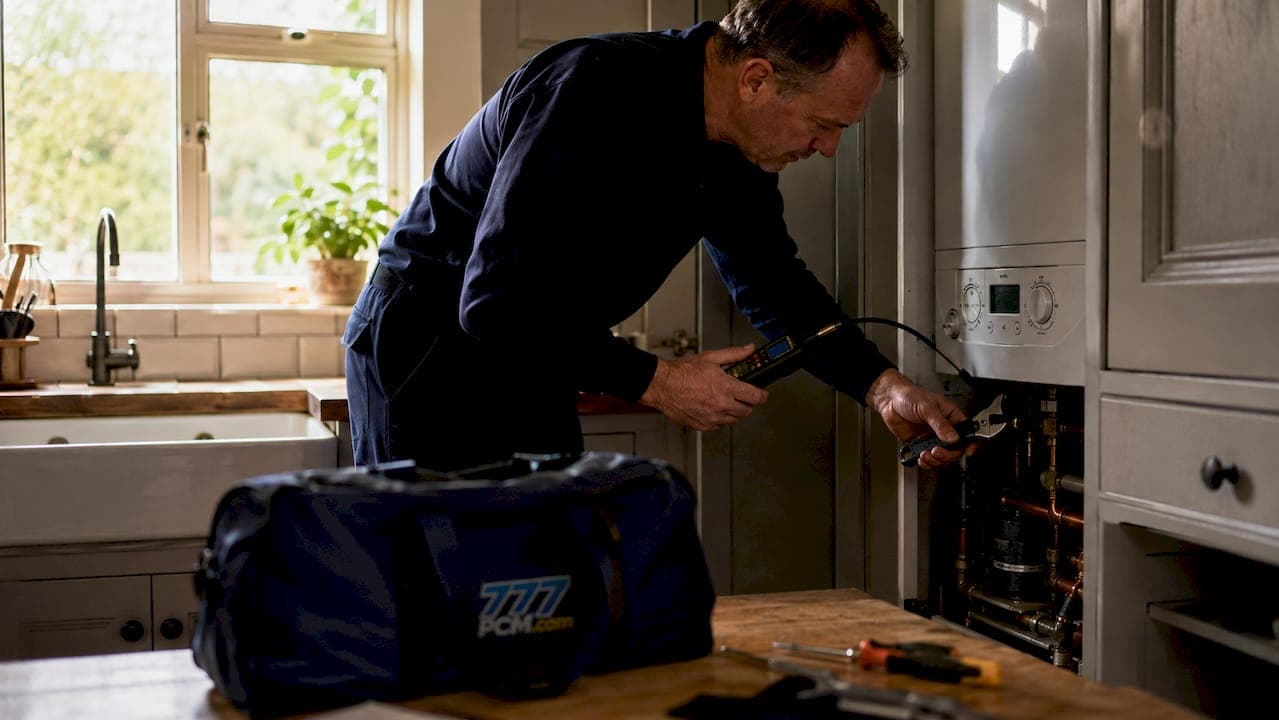
A Gas Safe engineer is a legally authorised professional qualified to install, inspect, service, and repair gas appliances and systems in residential and commercial properties. The role exists under the Gas Safety (Installation and Use) Regulations 1998, which make it a criminal offence for anyone without Gas Safe registration to carry out gas work in Great Britain. The Gas Safe Register, overseen by the Health and Safety Executive (HSE), is the official body that licences these engineers and holds them accountable. For homeowners and tenants, understanding the role of a Gas Safe engineer is the clearest path to knowing whether your home is genuinely safe.
What are the main responsibilities of a Gas Safe engineer?
Gas Safe engineers carry out a defined set of tasks that go well beyond simply fixing a broken boiler. Their duties span the full lifecycle of gas systems in a property, from first installation through to emergency response.
The core responsibilities include:
- Installation of gas appliances and pipework. This covers boilers, gas hobs, fires, and the pipework connecting them. Every installation must meet current British Standards and building regulations.
- Servicing and routine maintenance. Annual servicing keeps appliances running safely and at peak efficiency. Regular servicing also prevents unexpected breakdowns, reducing long-term costs for homeowners.
- Safety inspections and CP12 certification. Engineers test for gas leaks, check combustion efficiency, inspect ventilation, and assess flue function. A passed inspection results in a CP12 Gas Safety Certificate, which is a legal compliance document.
- Fault diagnosis and repair. When appliances malfunction, a Gas Safe engineer identifies the cause and carries out repairs within their registered scope.
- Emergency response. Gas leaks, carbon monoxide alerts, and appliance failures require immediate professional attention. Gas Safe engineers are trained to make properties safe quickly.
- Refusing unsafe work. An engineer must refuse to complete any work that is unsafe or falls outside their registered appliance categories, regardless of pressure from a landlord or agent.
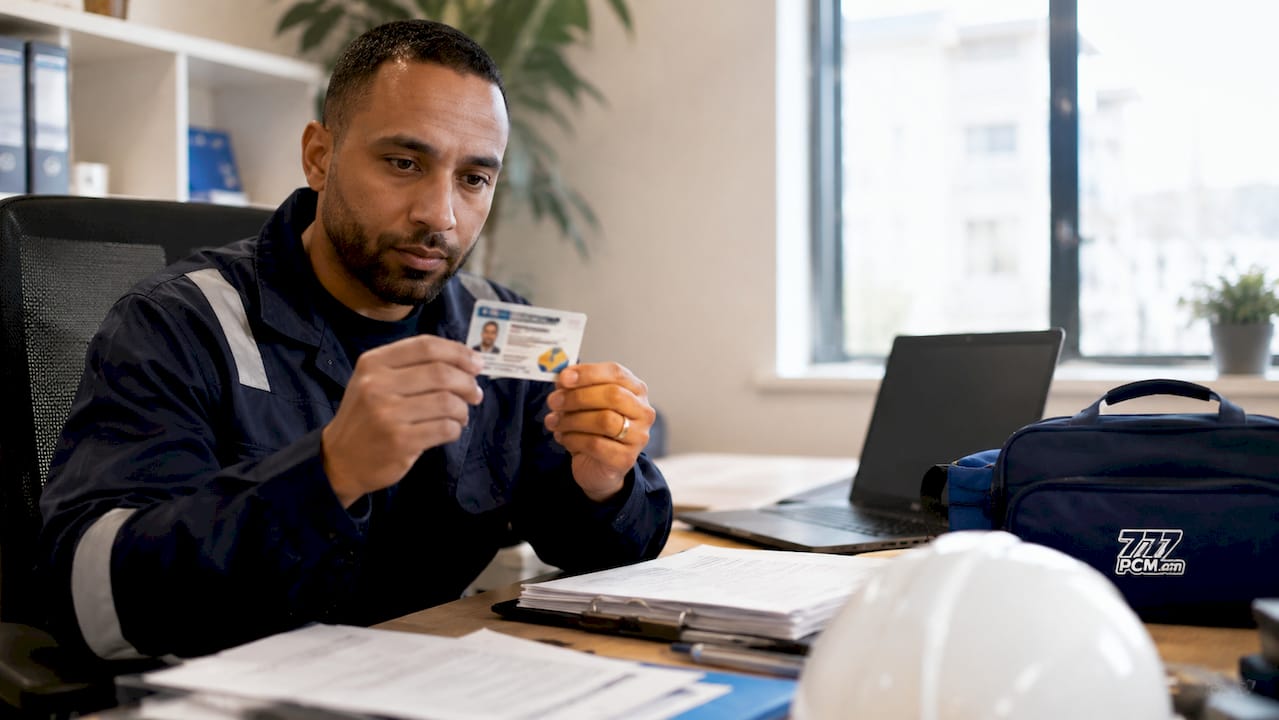
Every Gas Safe engineer carries an ID card that lists the specific appliance categories they are qualified to work on. The card has a unique licence number that can be verified on the Gas Safe Register website.
Pro Tip: Always ask to see the engineer's Gas Safe ID card before any work begins. The reverse of the card lists their registered appliance categories. If your boiler is not listed, that engineer cannot legally work on it.
Gas Safe engineers also carry out heating system maintenance that improves efficiency and reduces fuel bills. A boiler running at poor combustion efficiency wastes energy and raises running costs. A qualified engineer adjusts combustion settings as part of a standard service, which is a detail many homeowners do not realise is included.
Why is Gas Safe registration essential?
Gas Safe registration is not a voluntary quality mark. All gas work in Great Britain must be performed by a Gas Safe registered engineer under the Gas Safety (Installation and Use) Regulations 1998. Operating without registration is a criminal offence carrying unlimited fines and up to six months imprisonment. Where unregistered gas work contributes to a fatality, manslaughter charges can result in custodial sentences of six to fifteen years.
How Gas Safe engineers differ from general plumbers
The distinction matters practically, not just legally. The table below outlines the key differences.
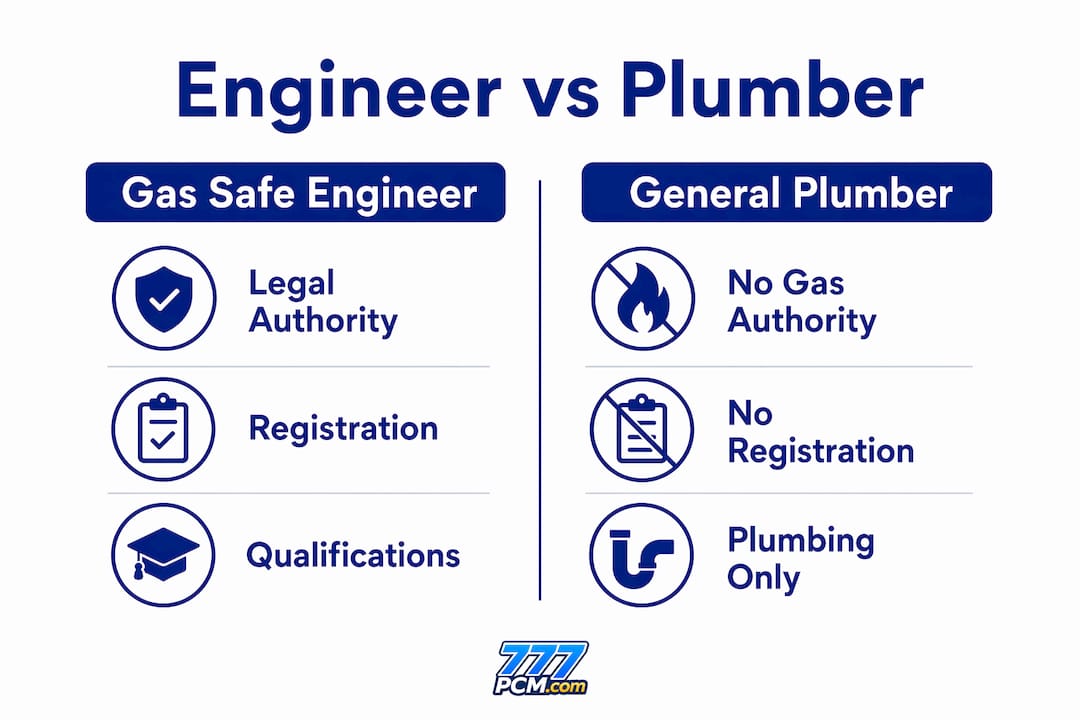
| Feature | Gas Safe engineer | General plumber |
|---|---|---|
| Legal authority for gas work | Yes, under Gas Safety Regulations 1998 | No |
| Required qualification | ACS certification, renewed every five years | No gas-specific qualification needed |
| Annual registration renewal | Yes, with the Gas Safe Register | Not applicable |
| Typical salary range (UK) | £40,000–£75,000+ | £35,000–£60,000 |
| Scope of work | Gas appliances, pipework, flues, boilers | Water systems, drainage, non-gas heating |
| Insurance coverage | Must cover gas-specific liability | General plumbing liability only |
Gas Safe registered engineers require ACS (Accredited Certification Scheme) qualifications, with core units renewed every five years and annual registration maintained with the Gas Safe Register. This renewal cycle keeps engineers current with updated safety standards and appliance technologies. A general plumber, however skilled, has no legal authority to touch gas pipework or appliances.
Pro Tip: Before booking any engineer for gas work, take a screenshot of their live registration from the Gas Safe Register website. This gives you a timestamped record of their credentials at the point of booking, which is useful if a dispute arises later.
The Gas Safe Register also investigates illegal gas work and works alongside the HSE to enforce compliance. Homeowners who suspect unregistered gas work has been carried out can report it directly to the Register. This investigative function is one reason the Register carries genuine authority rather than acting as a simple directory.
How do Gas Safe engineers support landlord and tenant safety compliance?
Landlords carry a specific and non-transferable legal duty under Regulation 36 of the Gas Safety (Installation and Use) Regulations 1998. A Gas Safe engineer is the professional who makes that duty achievable in practice.
The compliance process works as follows:
- Annual gas safety check. Landlords must arrange an annual check of all gas appliances, fittings, and flues in the property. Only a Gas Safe registered engineer can carry out this inspection legally.
- Issuing the CP12 certificate. After a successful inspection, the engineer issues a CP12 Gas Safety Certificate. This document records inspection results, any defects found, and the date of the next required check.
- Delivering records to tenants. Landlords must provide the CP12 to existing tenants within 28 days of the inspection and to new tenants before they move in. Records must be retained for at least two years.
- Reporting defects. Where an engineer identifies a fault, they document it on the CP12. Landlords are then legally obligated to arrange repairs before the property is re-let or occupied.
- Maintaining a compliance trail. The CP12 is enforceable by the HSE. A landlord without a valid certificate faces criminal prosecution, fines, and potential imprisonment.
Landlords cannot delegate ultimate legal responsibility to tenants or managing agents. Landlords retain legal liability regardless of who coordinates access or manages the property day to day. A letting agent can schedule the inspection, but the obligation sits with the landlord. This is a point that catches many portfolio landlords off guard.
Consistently using the same Gas Safe engineer for a property brings a practical advantage that goes beyond compliance. An engineer who knows a property's gas system develops familiarity with its quirks, ageing components, and previous repairs. That knowledge makes it far easier to spot emerging risks before they become serious faults. For landlords managing multiple properties, this continuity is worth building into their gas safety compliance strategy.
What practical steps should homeowners and tenants take?
Knowing the role of a Gas Safe engineer is useful. Acting on that knowledge is what keeps you safe.
- Verify registration before any work starts. Check the engineer's Gas Safe ID card and cross-reference their licence number on the Gas Safe Register website. The card specifies which appliance categories they are authorised to work on.
- Request and retain your gas safety certificate. Whether you are a homeowner or a tenant, keep a copy of the CP12. Tenants are legally entitled to receive one. Homeowners should retain certificates as part of their property records.
- Understand what a thorough inspection covers. A proper annual gas safety check tests for gas leaks, checks combustion efficiency, inspects ventilation, and examines flue integrity. If an engineer completes a visit in under fifteen minutes without testing all appliances, that is a warning sign.
- Book annual servicing, not just inspections. A safety check confirms whether appliances are safe. A service improves how efficiently they run. Regular servicing reduces the risk of gas leaks, lowers the chance of carbon monoxide exposure, and cuts fuel costs over time.
- Know the red flags. Refuse any engineer who cannot produce a valid Gas Safe ID card, works on appliances outside their registered categories, or pressures you to accept work without issuing a certificate. These are not minor oversights. They are indicators of illegal practice.
Tenants in rented properties should also be aware of carbon monoxide detector requirements that sit alongside gas safety obligations. A Gas Safe engineer will often flag missing or faulty detectors during an inspection, but tenants benefit from knowing the rules independently.
Key takeaways
A Gas Safe engineer is the only professional legally authorised to carry out gas work in Great Britain, and their role covers everything from installation and servicing to annual safety inspections and emergency response.
| Point | Details |
|---|---|
| Legal authority | Only Gas Safe registered engineers can legally carry out gas work under the 1998 Regulations. |
| CP12 certification | Annual inspections produce a CP12 certificate that landlords must provide to tenants within 28 days. |
| ACS qualifications | Engineers hold ACS certification, renewed every five years, with annual Gas Safe registration. |
| Landlord liability | Landlords cannot transfer legal gas safety responsibility to tenants or managing agents. |
| Verification | Always check an engineer's Gas Safe ID card and confirm their registration online before work begins. |
Gas safety: my honest assessment after years in property compliance
The regulations around gas safety are clear enough. What surprises me is how often the practical reality falls short of them. I have seen properties where the CP12 was technically issued but the inspection was cursory at best. I have seen landlords assume their letting agent had sorted the annual check, only to discover it had been missed entirely. The paperwork existed; the safety did not.
The most underrated piece of advice I can offer is this: build a relationship with one Gas Safe engineer who knows your property. Not because it is cheaper or more convenient, though it often is both. Because an engineer who has visited the same boiler three years running will notice when something has changed. That familiarity is worth more than any checklist.
There is also a cost argument that rarely gets made clearly enough. Homeowners who treat gas servicing as an optional expense tend to face larger repair bills later. A boiler running inefficiently for two years costs more in fuel than a single annual service. The maths are straightforward once you see them.
The role of a Gas Safe engineer is evolving too. As heat pump installations grow and hydrogen blending trials progress, the ACS qualification framework is expanding. Engineers who invest in updated training now will be the ones trusted with the next generation of home energy systems. For homeowners, that means the question of who works on your gas system will only become more consequential over time.
— Mike
Gas Safe engineer services from 777pcm
777pcm provides Gas Safe registered engineers for residential and rental properties, covering annual safety inspections, CP12 certification, and reactive maintenance. Every engineer is employed directly, with no third-party subcontractors, so quality and accountability remain consistent across every visit.

For landlords managing single properties or larger portfolios, 777pcm handles the full compliance process, from scheduling access to issuing CP12 certificates and following up on any defects identified. Tenants and homeowners can also book directly for servicing and repairs. If you need a reliable, legally compliant Gas Safe engineer, 777pcm is built to deliver exactly that.
FAQ
What does a Gas Safe engineer do?
A Gas Safe engineer installs, services, inspects, and repairs gas appliances and pipework. They also carry out annual safety checks and issue CP12 Gas Safety Certificates required by law.
Is Gas Safe registration a legal requirement in the UK?
Yes. All gas work in Great Britain must be carried out by a Gas Safe registered engineer. Working without registration is a criminal offence with unlimited fines and up to six months imprisonment.
How do I verify a Gas Safe engineer's credentials?
Ask to see their Gas Safe ID card, which lists their registered appliance categories, and check their licence number on the official Gas Safe Register website. Taking a screenshot of the live registration at the time of booking provides a verifiable record.
What is a CP12 certificate and who needs one?
A CP12 is a Gas Safety Certificate issued after a successful annual inspection of gas appliances in a property. Landlords are legally required to obtain one each year and provide it to tenants within 28 days of the inspection.
Can a general plumber carry out gas work?
No. A general plumber without Gas Safe registration has no legal authority to work on gas appliances or pipework. Gas Safe engineers hold ACS qualifications specifically for gas work, which general plumbers do not.